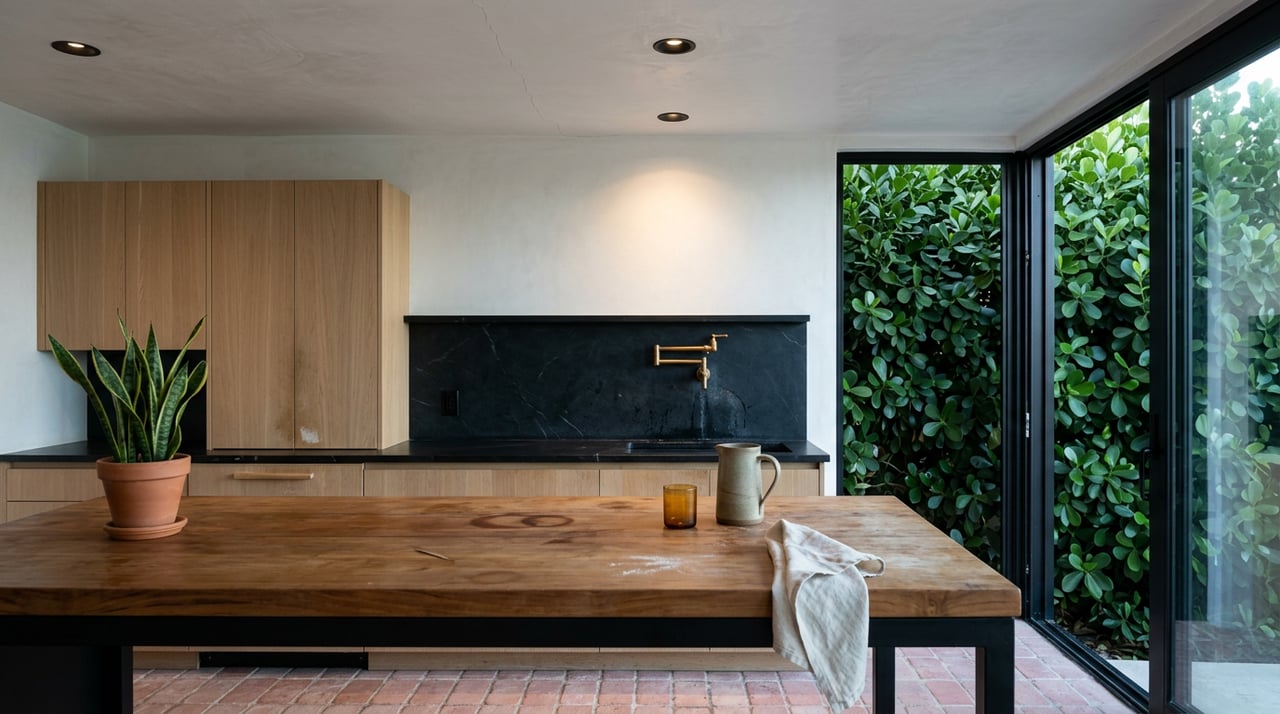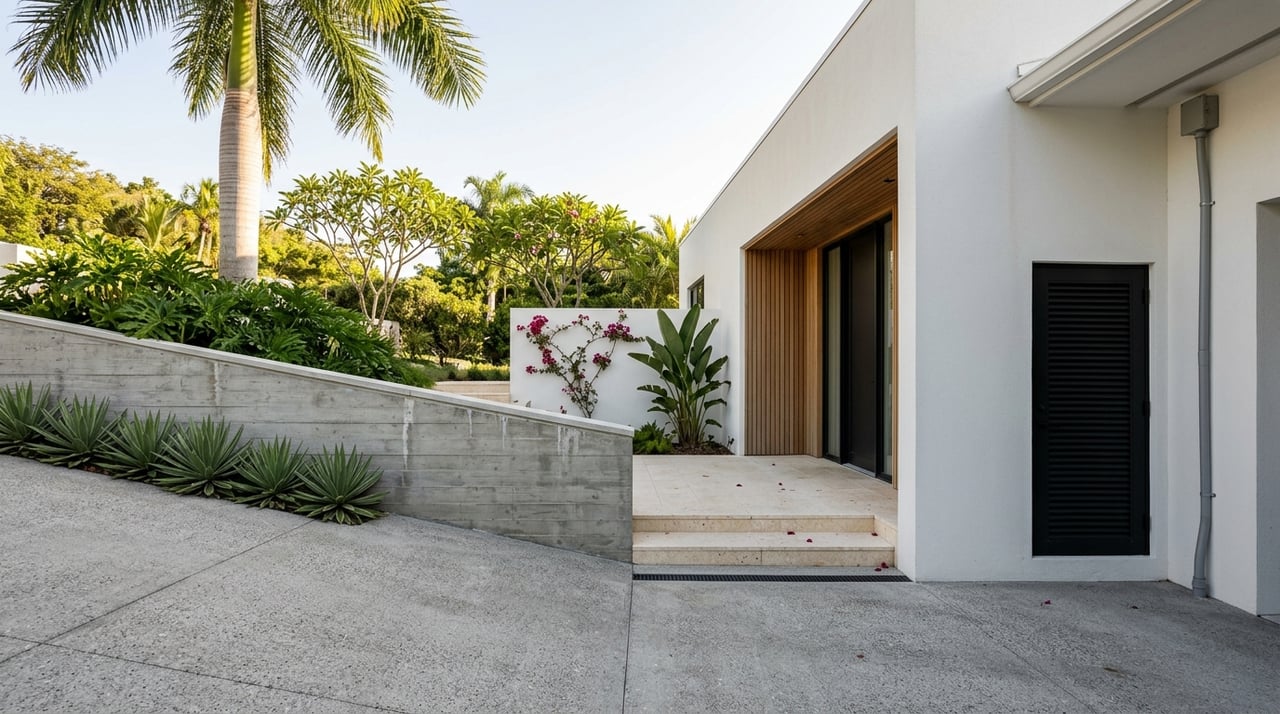
Thinking about buying in Chocolate Hole? You are not alone. This long-established St. John neighborhood draws buyers who want quick access to Cruz Bay, a residential setting, and the kind of hillside and coastal properties that make island living feel real. If you are weighing a homesite, villa, or second home here, the details matter. This guide will help you understand what to look for, what can affect value, and where careful due diligence can save you time, money, and stress. Let’s dive in.
Why buyers look at Chocolate Hole
Chocolate Hole is a residential subdivision on the southwest coast of St. John. Estate Chocolate Hole was platted into several hundred mostly residential lots in the early 1950s and is organized into Chocolate Hole East, North, and West.
For many buyers, the biggest draw is location. Chocolate Hole gives you proximity to Cruz Bay without putting you in the middle of the ferry-town core. Recent listing pages commonly describe it as about a 5-minute drive to Cruz Bay, which can make a big difference if you plan to go back and forth often for dining, errands, the ferry, or supplies.
That said, not every property feels the same once you are on site. Parcel pages show that roadway conditions can range from mostly asphalt to stair access from the street. In other words, the view in the photos is only part of the story.
What homes and land cost
Chocolate Hole offers a wide range of property types and price points, especially when you compare land to finished homes. Recent land listings show that parcel size, access, and topography can shift pricing quite a bit.
Examples from current inventory include:
- 439 Chocolate Hole Rd at 0.58 acre for $260,000
- 409 Chocolate Hole Rd at 0.88 acre for $340,000
- 300-69D Chocolate Hole Rd at 10,454.4 square feet for $599,000
Home pricing is generally much higher, with current listings clustering from the high-$1 millions into the mid-$2 millions, while premium waterfront or larger villas can go much higher. Recent examples include 407 Chocolate Hole at $1.875 million, 300-9 Chocolate Hole at $2.74 million, and 140 Chocolate Hole Rd at $7.85 million.
Why raw acreage is not enough
In Chocolate Hole, the usable building area often matters more than the lot size on paper. Listing descriptions range from moderate slope and easy downhill build to hillside parcels and stair-served access from the street.
That means two parcels with similar acreage may offer very different building options. One lot may be easier to design and access, while another may need more planning around driveway layout, retaining walls, or the homesite itself.
If you are shopping land, you want to focus on practical buildability, not just the headline number. A larger parcel is not always the easier or less expensive one to develop.
Access and roads deserve early attention
Roads and legal access are a major part of buying in Chocolate Hole. A 2024 Virgin Islands Supreme Court opinion describes private estate roads and an access-road parcel in Estate Chocolate Hole, which reinforces an important point for buyers: you should confirm easements, road rights, and driveway access through title review rather than assuming every road segment is public.
This is especially important for off-island buyers. Photos can make a location look simple, but title, road use, and physical access can affect how easy a property is to use, improve, or build on.
Some parcel listings also note monthly HOA fees or estate road access. Those costs and rights are property-specific, so it is worth reviewing them before you get too far into negotiations.
Neighborhood rules can affect your plans
Chocolate Hole has neighborhood-specific requirements through ECHLA that buyers should understand early. Its code includes plan review before earth changes or construction, dues in good standing, one single-family dwelling plus attached or detached guest quarters, underground utility entrances, two off-street parking spaces, and a road-damage deposit equal to 1% of improvement cost for new construction or major improvements.
ECHLA also says it can issue a letter of good standing to confirm dues are paid in full and no liens exist. If you are buying an existing property or planning future improvements, that kind of documentation can be useful during your due diligence process.
These are not small details. They can shape your budget, timeline, and even what you can realistically build or change.
Permits matter more near the coast
Chocolate Hole is not just a scenic hillside neighborhood. DPNR also lists Chocolate Hole - Great Cruz Bay as an Area of Particular Concern, which means shoreline-adjacent or site-changing work can face additional review.
DPNR’s Division of Permits reviews and issues building, plumbing, electrical, occupancy, flood, and other permits. Its coastal zone management program must assess development in the first tier of the coastal zone.
If you are planning additions, grading, retaining walls, driveways, or work near the shoreline, the permit path should be part of your planning from the start. Buyers who understand that early tend to make better decisions about timelines and total project scope.
Water, power, and wastewater are key checks
Utility planning in Chocolate Hole can be more nuanced than many mainland buyers expect. WAPA produces and distributes electricity and drinking water to territory customers, but local building guidance still assumes many homes rely on cisterns.
DPNR’s cistern guidance says a dwelling with verified access to the potable water system and installed service does not need a cistern. Otherwise, cistern capacity is sized by roof area. The same DPNR material notes that a 2019 cistern study found 90% of homes use cistern water every day.
Wastewater is another important piece of the puzzle. DPNR rules require a site soil analysis or accepted USDA-NRCS soil classification, plus test pits to bedrock or limiting layers. A conventional onsite sewage disposal system is allowed only when the site supports it. If it does not, DPNR requires an alternative disposal system.
For existing homes, you should also know that septic tanks must be pumped at least once every five years by a licensed septic cleaner. That is a practical ownership detail worth understanding before you buy.
Flood, drainage, and slope checks
Because Chocolate Hole includes hillside and coastal conditions, flood and drainage review should happen early. DPNR advises buyers to check FEMA flood maps and DPNR floodplain guidance, then verify elevation, drainage, retaining walls, and driveway grades for the specific parcel.
This matters because one property may have a straightforward downhill build, while another may have a steeper approach or stair access from the street. Those differences can affect construction planning, maintenance needs, and overall ease of use.
Even if a property looks manageable online, on-site conditions can tell a more complete story. In Chocolate Hole, that site visit and local review are especially important.
Buying land versus buying a home
If you are deciding between land and an existing home in Chocolate Hole, the tradeoff is fairly clear. Land gives you more customization, but it also brings more uncertainty around slope, access, septic or cistern design, permits, and road covenants.
An existing home can reduce construction risk and may let you use the property sooner. But it still deserves careful review of systems, association obligations, road-related costs, and island-specific components such as generators, water filtration, and drainage improvements.
For many buyers, the right choice comes down to how much complexity you want to take on. If your goal is a more immediate island base, an existing home may offer a simpler path. If your goal is a custom design and long-term upside, land may be worth the extra planning.
Rental use requires more than a good view
Many buyers look at Chocolate Hole for part-time personal use with the option to rent. The neighborhood’s proximity to Cruz Bay can support that interest, but rental suitability is about more than views and location.
DLCA says owners renting a residential unit, including a condo, villa, or house, must obtain the applicable business license. That means licensing and compliance should be part of your decision if rental income is part of your plan.
From a practical standpoint, properties may be more usable for this kind of ownership when they offer features people notice right away, such as parking, water storage, backup power, outdoor living space, and a layout that fits multiple guests. If rental use is important to you, it helps to evaluate the property with both personal use and operational readiness in mind.
What off-island buyers should do first
If you are buying from the mainland, Chocolate Hole is a market where local due diligence is essential. Access and buildability can turn on details that are hard to see in listing photos.
A smart early checklist includes:
- Confirming easements, road rights, and legal access
- Reviewing ECHLA requirements, dues, and good-standing status
- Checking permit history and future permit needs with DPNR
- Understanding water service, cistern setup, and power access
- Evaluating septic or alternative wastewater requirements
- Reviewing floodplain, drainage, and driveway conditions
This is where local guidance can make the process smoother. In a neighborhood like Chocolate Hole, a property is never just a view and a price point. It is also a set of physical, legal, and infrastructure realities that shape what ownership will feel like.
Buying a home in Chocolate Hole can be a smart move if you love the idea of being close to Cruz Bay while still having a more residential setting. The key is to go in with a clear picture of access, utilities, permits, and site conditions so you can buy with confidence. If you want grounded, St. John-specific guidance as you compare land, villas, or homes in Chocolate Hole, Tropical Properties VI can help you sort through the details and find the right fit.
FAQs
What is Chocolate Hole on St. John known for?
- Chocolate Hole is a long-established residential subdivision on the southwest coast of St. John, known for its proximity to Cruz Bay and its mix of homesites and villas.
How close is Chocolate Hole to Cruz Bay?
- Recent listing pages commonly describe Chocolate Hole as about a 5-minute drive to Cruz Bay, though drive time can vary by the specific property.
What should you check before buying land in Chocolate Hole?
- You should confirm access, easements, road rights, slope, drainage, wastewater feasibility, utility setup, and any permit or neighborhood-review requirements tied to the parcel.
Are roads in Chocolate Hole public or private?
- Buyers should not assume every road segment is public. Title review should confirm easements, road rights, and driveway access for the specific property.
Do Chocolate Hole properties need cisterns?
- DPNR says a dwelling with verified access to the potable water system and installed service does not need a cistern. Otherwise, cistern requirements are based on roof area.
Can you rent out a home in Chocolate Hole?
- If you plan to rent a residential unit in the U.S. Virgin Islands, DLCA says you must obtain the applicable business license.
Is buying land in Chocolate Hole riskier than buying a home?
- Land usually offers more customization, but it also brings more uncertainty around slope, access, wastewater design, permits, and road covenants than an existing home.