By Tropical Properties VI
St. John packs two entirely different atmospheres into eleven square miles, and the eight-mile drive between them changes almost everything about daily life. Cruz Bay greets every ferry with restaurants, boutiques, and a dock that never really quiets down. Coral Bay sits on the opposite end of the island with dirt side streets, a harbor full of sailboats, and a pace that slows down the moment Centerline Road narrows.
Homeowners on St. John often pick a side early and rarely regret it, but knowing what each town actually offers makes that choice easier.
Key Takeaways
- Cruz Bay: The island's only ferry landing, along with Mongoose Junction and Wharfside Village, keeps this end of St. John busiest.
- Coral Bay: Coral Harbor's mix of sailboats and low-key spots like Skinny Legs defines a quieter, more local pace.
- Centerline Road: The main route connecting the two towns takes roughly 20 to 30 minutes depending on traffic and weather.
- Virgin Islands National Park: Covers roughly 60 percent of the island and touches land near both Cruz Bay and Coral Bay.
Cruz Bay's Ferry Landing and Shopping Core
Cruz Bay handles nearly all arrivals to St. John, since the island has no airport of its own. Wharfside Village sits steps from the ferry dock, while Mongoose Junction's stone courtyard houses shops just up the road.
Shops and Restaurants Clustered Near the Dock
- Mongoose Junction: A two-story courtyard built from stone and coral, home to galleries, jewelry stores, and Bajo el Sol Gallery's rum tastings.
- Wharfside Village: Boutiques and souvenir shops positioned right beside the Cruz Bay Ferry Landing.
- Food and drink: Restaurants like Morgan's Mango and The Banana Deck serve everything from Caribbean plates to steaks within walking distance of downtown.
Dockside parking fills up fast during peak ferry hours, so most visitors and locals plan around it. Everything within Cruz Bay's core sits close enough to reach on foot.
Coral Bay's Harbor and Local Gathering Spots
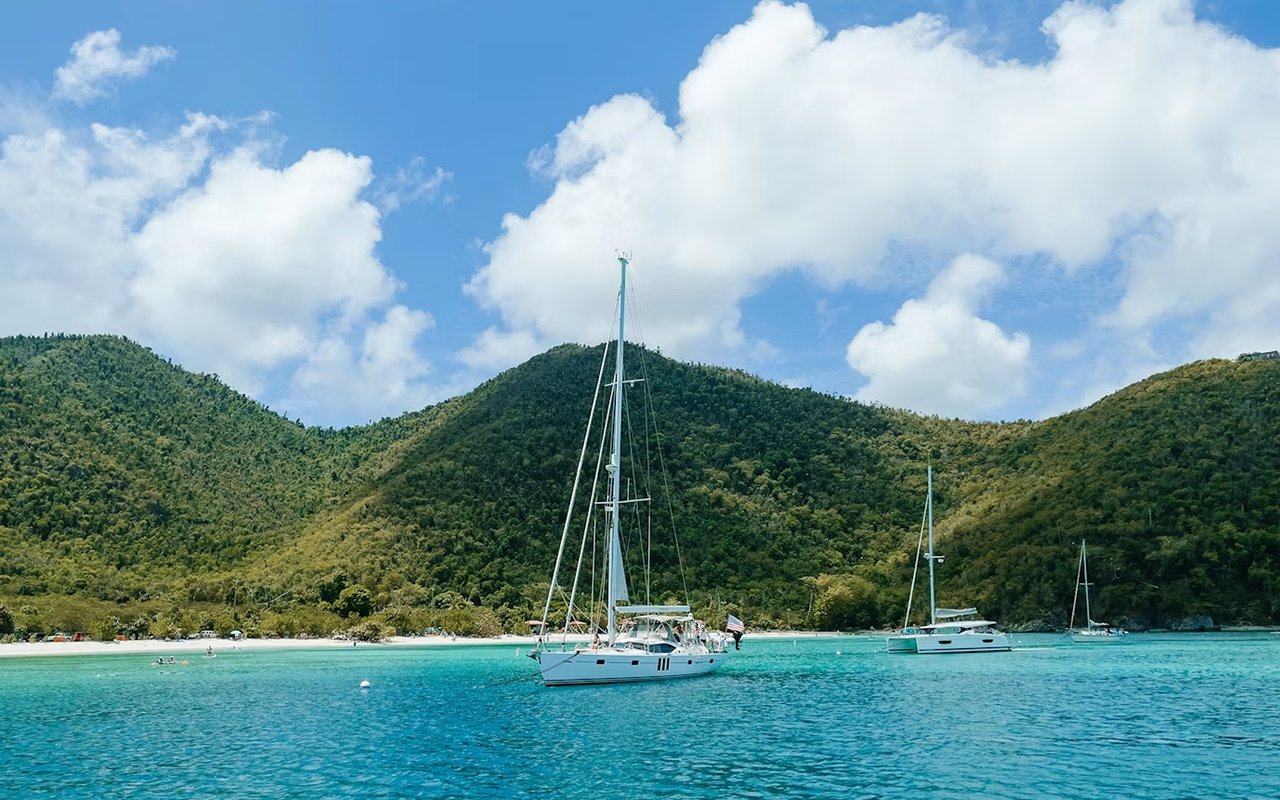
Coral Harbor anchors the east end of St. John with a working waterfront full of sailboats rather than cruise crowds. Skinny Legs and Lime Out, a floating taco bar reachable only by boat, capture the neighborhood's laid-back reputation.
Spots That Define Coral Bay's Character
- Skinny Legs: A longtime bar and grill known for burgers and an easy happy hour crowd.
- Lime Out: A floating taco stand anchored in Coral Harbor, accessible only by kayak, paddleboard, or boat.
- Miss Lucy's: A beachfront restaurant known for weekend live jazz on the water's edge.
Fewer big buildings and less traffic give Coral Bay a noticeably slower rhythm than the west end. Locals who prefer that pace tend to stay on this side of the island for good.
The Drive Between Cruz Bay and Coral Bay
Centerline Road, officially Route 10, connects the two town centers across roughly eight to ten miles of hills and switchbacks. North Shore Road offers a scenic, slower alternative that runs closer to the island's beaches.
What to Expect on the Drive
- Centerline Road: The most direct route, typically taking 20 to 30 minutes depending on traffic near Cruz Bay.
- North Shore Road: A longer, beach-lined alternative that passes several Virgin Islands National Park trailheads.
- Steep grades: Narrow curves and steep sections on both routes call for a slower pace than mainland driving habits.
Four-wheel-drive vehicles handle both roads more comfortably, especially after heavy rain. Most residents settle into a preferred route within their first few months on the island.
Virgin Islands National Park Touches Both Towns
Virgin Islands National Park covers roughly 60 percent of St. John's land area, stretching across land near both Cruz Bay and Coral Bay. The Cruz Bay Visitor Center sits just up from the ferry dock, while trailheads near Coral Bay lead out toward Salt Pond Bay.
Park Access Points Worth Knowing
- Cruz Bay Visitor Center: The main information stop for trail maps and ranger programs, a short walk from the ferry landing.
- Salt Pond Bay: A trailhead and beach near Coral Bay reached off Route 10 toward the island's east end.
- Shared trail network: Hiking routes connect beaches on both ends of the island through the park's protected land.
A home near either town still sits within reach of the park's beaches and trails. The difference comes down to which drive feels shorter on a daily basis.
How to Choose a Home Base Between the Two
Cruz Bay suits anyone who wants restaurants, groceries, and the ferry within a short walk of home. Coral Bay suits anyone who prefers space, quiet, and a slower relationship with the rest of the island.
Questions Worth Asking Before Deciding
- Daily errands: Cruz Bay keeps markets, banks, and the ferry closer for anyone who runs errands often.
- Commute tolerance: Coral Bay residents typically accept a longer drive in exchange for more space and lower noise.
- Community feel: Each town has its own tight-knit character, and spending time in both usually helps before deciding.
A season spent renting in each town gives most newcomers a clearer sense of fit before buying. Owners often end up staying loyal to whichever side they choose first.
FAQs
What's the real difference between Cruz Bay vs Coral Bay for someone visiting St. John for the first time?
Cruz Bay offers the island's main ferry landing, its densest cluster of shops and restaurants, and the easiest introduction to St. John for a first visit. Coral Bay trades that convenience for a quieter harbor town with fewer crowds and a noticeably slower pace. Most first-time visitors base themselves in Cruz Bay and take a day trip out to Coral Bay to compare.
Is Coral Bay harder to get to than Cruz Bay?
Coral Bay sits roughly 20 to 30 minutes from Cruz Bay along Centerline Road, so it takes longer to reach than anywhere inside town. The drive includes steep grades and tight curves that call for a careful pace, especially after rain. Once there, Coral Bay's own harbor and businesses cover most day-to-day needs without another trip back to Cruz Bay.
Which side of St. John is better for full-time residents?
The better side usually comes down to whether daily convenience or quiet space matters more to a particular household. Cruz Bay keeps groceries, banks, and the ferry closest, while Coral Bay offers more room and a slower rhythm at the cost of a longer drive. Time spent in both neighborhoods before committing to a home purchase remains the most reliable way to decide.
Contact Us at Tropical Properties VI
Contact Tropical Properties VI to tour homes in both Cruz Bay and Coral Bay before deciding which side of St. John fits best.