By Tropical Properties VI
St. John is one of the most compelling real estate markets in the Caribbean, and the buyers who succeed here come prepared. The island's combination of protected land, robust vacation rental demand, and U.S. jurisdiction makes it genuinely distinctive, but it operates under rules that differ from mainland ownership.
These five things are the foundation of every productive conversation we have with buyers who want to invest in St. John USVI real estate.
Key Takeaways
- Limited supply is structural: Approximately two-thirds of St. John is protected as Virgin Islands National Park, permanently constraining inventory and underpinning long-term value.
- Open to all buyers: U.S. citizens, permanent residents, and foreign nationals can all purchase property on St. John without special permits or restrictions, with ownership rights mirroring those anywhere else in the United States.
- The process is attorney-driven: The USVI is an attorney-closing jurisdiction, with buyers budgeting for legal fees, title insurance, and a transfer stamp tax at closing.
- Vacation rental income is a genuine opportunity: Properties in areas like Cruz Bay, Chocolate Hole, and Coral Bay attract year-round visitors, and a well-managed rental can generate substantial income.
1. Scarcity Makes St. John Structurally Different
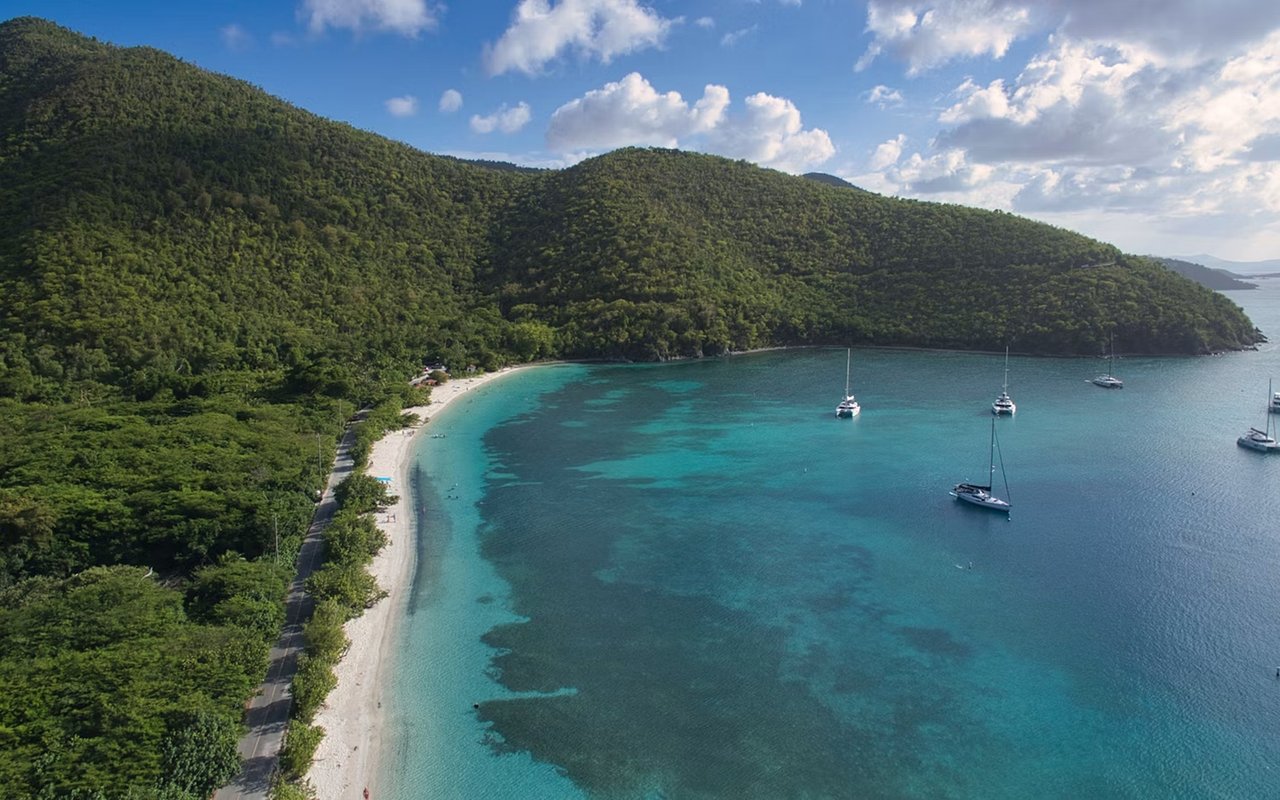
When you invest in St. John USVI real estate, you are buying into one of the most supply-constrained markets in the Caribbean. Approximately two-thirds of the island is designated as Virgin Islands National Park, permanently limiting available residential land.
- Supply cannot expand to meet demand: New development is constrained by National Park boundaries and USVI zoning requirements. The total pool of available properties grows slowly, and demand consistently outpaces the pace of new listings.
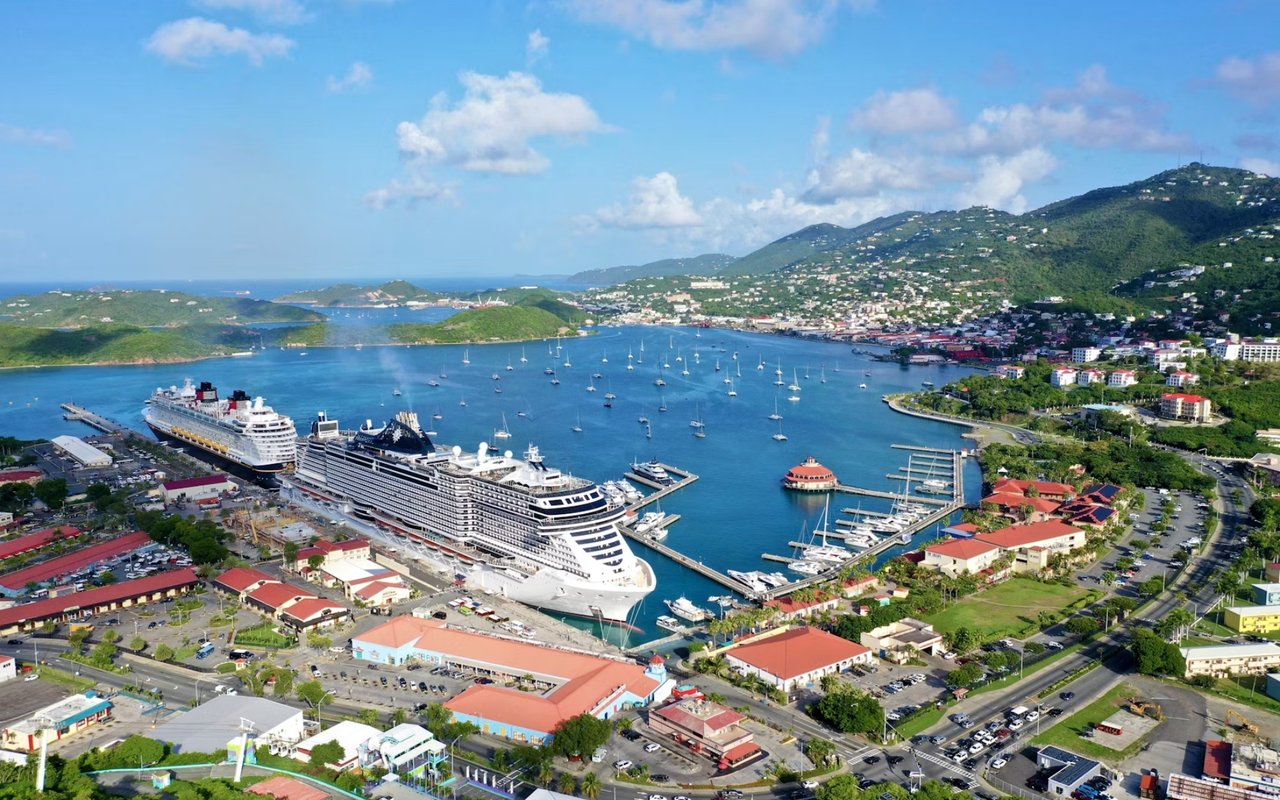
- Location drives value within the island: Neighborhoods adjacent to National Park land benefit from protected views and minimal development pressure. Cruz Bay, as the commercial and ferry hub, draws investors focused on vacation rental accessibility.
- Scarcity supports long-term appreciation: Limited inventory, consistent visitor demand, and U.S. jurisdiction create conditions that have historically supported steady upward value movement across the St. John market.
2. The Ownership Process Has Island-Specific Rules
U.S. citizens, permanent residents, and foreign nationals can all own property on St. John. Fee simple ownership is the standard. The transaction process, however, differs from a mainland purchase in several important ways.
- Attorney involvement is required: The USVI is an attorney-closing jurisdiction. A USVI-licensed attorney prepares the deed, handles closing documents, advises on ownership structure, and ensures the transaction is properly recorded.
- Title insurance and an as-built survey are essential: Title history on St. John can be complex, and the as-built survey identifies any encroachments or setback issues before they become the buyer's problem after closing.
- Transfer stamp tax applies: The USVI transfer stamp tax operates on a sliding scale starting at 2% of the purchase price. By local custom, this tax is typically split equally between buyer and seller, though it is negotiable.
3. The Tax and Cost Structure Has Island-Specific Features
The purchase price is one layer of cost; the carrying costs that follow are another, and several are shaped by island location in ways that mainland buyers often underestimate.
- Property taxes are based on assessed value: Residential real property is taxed at a mill rate applied to 100% of assessed fair market value. For buyers purchasing as a second home, the homestead credit available to primary residences is unavailable.
- The USVI uses a mirror tax code: Capital gains and most other tax obligations follow U.S. federal rules. The framework is familiar for U.S. buyers, even if some local fees differ.
- Insurance and maintenance carry a premium: Windstorm and earthquake insurance is required for all mortgaged properties, at approximately 2–3% of the replacement value of the structure, and island logistics add to maintenance costs relative to the mainland.
4. Vacation Rental Income Is a Real Opportunity
Many buyers on St. John purchase with vacation rental income in mind. The island is a year-round destination with a well-established short-term rental market and a stream of repeat visitors.
- Peak season runs December through April: This period delivers the highest occupancy rates. Properties with views, pools, or beach access command premiums throughout the season.
- Compliance is required: Operating a short-term rental on St. John requires a business license. Gross receipts taxes and hotel occupancy taxes apply, and liability insurance is required.
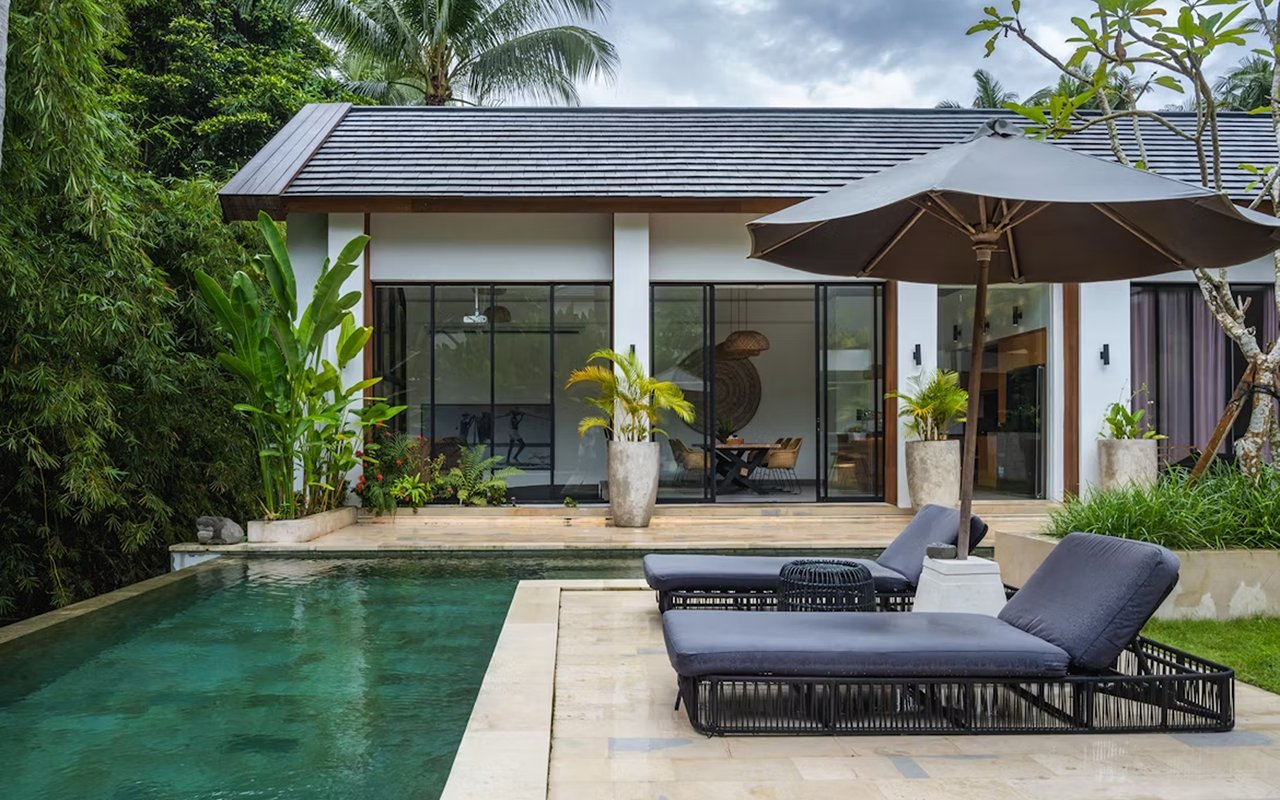
- Location and features drive income: Popular areas like Cruz Bay, Chocolate Hole, and Coral Bay attract year-round visitors. Properties with panoramic views and outdoor living spaces consistently earn higher nightly rates.
5. Local Expertise Makes the Difference
The transaction process, zoning landscape, and realities of island ownership are areas where local knowledge translates directly into better outcomes.
- Deep market knowledge across neighborhoods: We track what is available, what has sold, and the realistic parameters of each neighborhood. Whether the target is a vacation rental near Cruz Bay or a private villa adjacent to National Park land, we know where the right properties are.
- Relationships with the local professional network: Closings require a licensed USVI attorney, a local surveyor, and often a specialized insurer.
- Experience with the full cost picture: We help every client understand taxes, insurance, maintenance, transfer costs, and rental compliance before closing, so the investment performs as expected from day one.
FAQs
Can foreign nationals buy property on St. John?
Yes. U.S. citizens, permanent residents, and foreign nationals can all purchase real estate on St. John without special permits or restrictions. Closing costs are the same regardless of residency status. Foreign nationals should consult their own advisors regarding any home-country reporting obligations.
What is the closing timeline for a St. John purchase?
Most closings in the USVI run approximately 45 to 60 days from accepted offer to close, with cash transactions moving faster. The timeline accounts for the attorney's title review, the as-built survey, title insurance underwriting, and the territory's recording process.
How do we guide buyers through the process from off-island?
We work with off-island buyers regularly and have the systems in place to guide clients through property tours, due diligence, and closing without requiring extended stays on-island.
Contact Tropical Properties VI Today
If you are considering a purchase on St. John, we are ready to help you understand the market, identify the right property, and navigate the transaction.
Contact us at Tropical Properties VI and let's talk about what the right investment looks like for you.
Contact us at Tropical Properties VI and let's talk about what the right investment looks like for you.