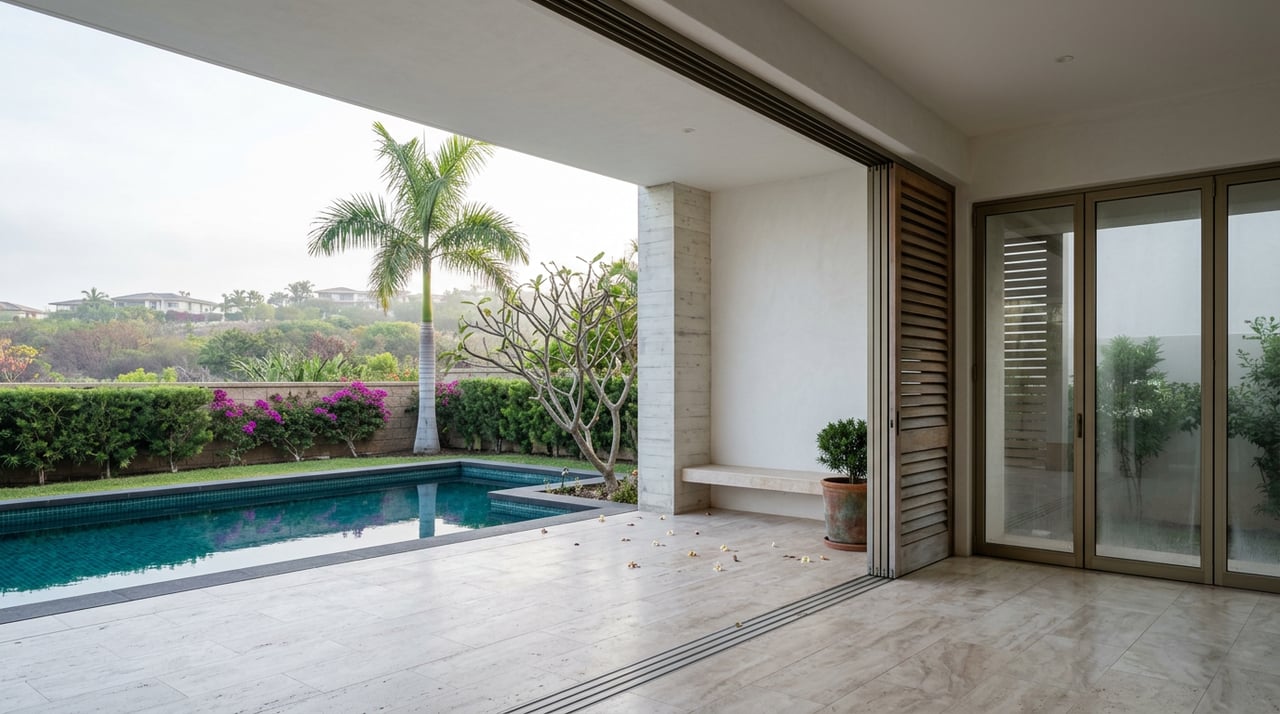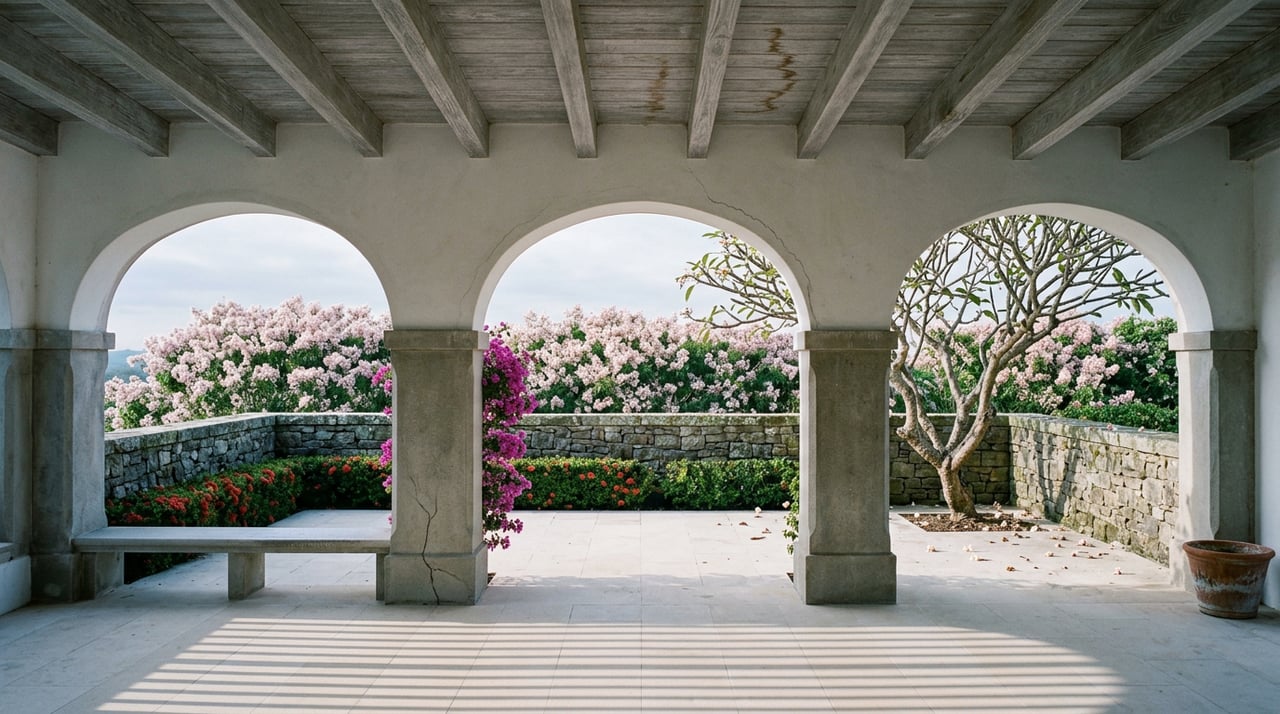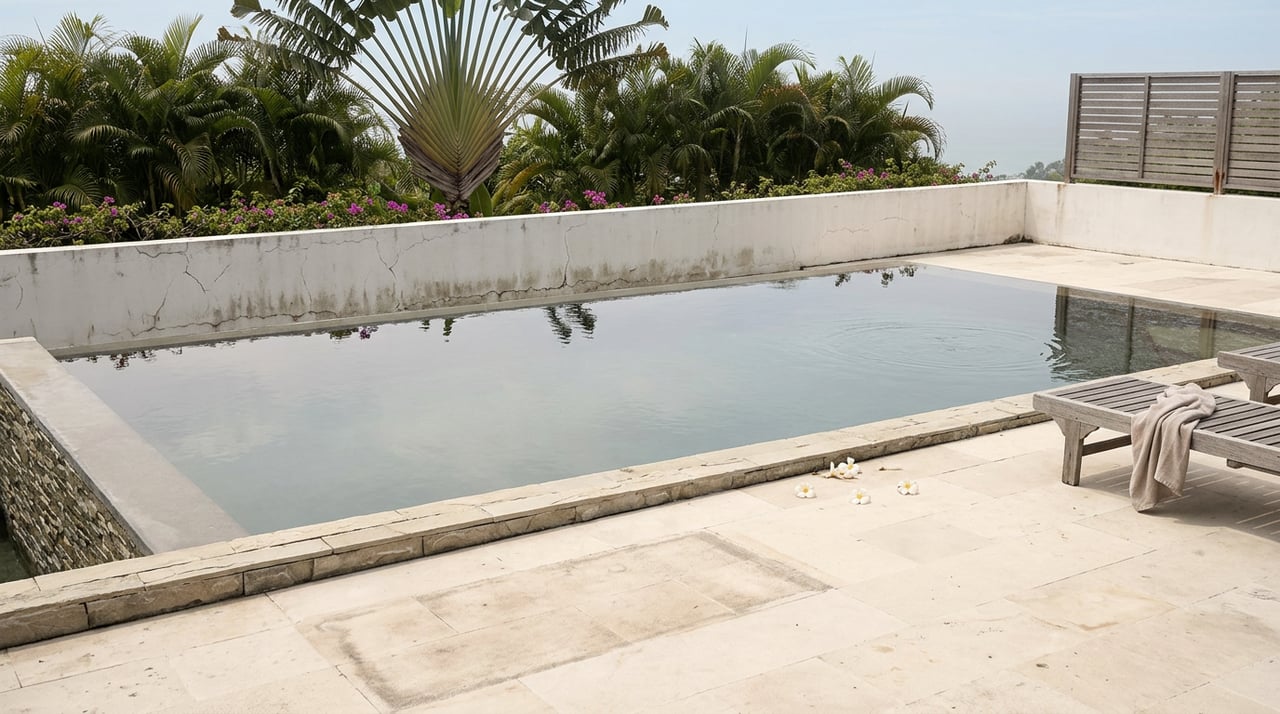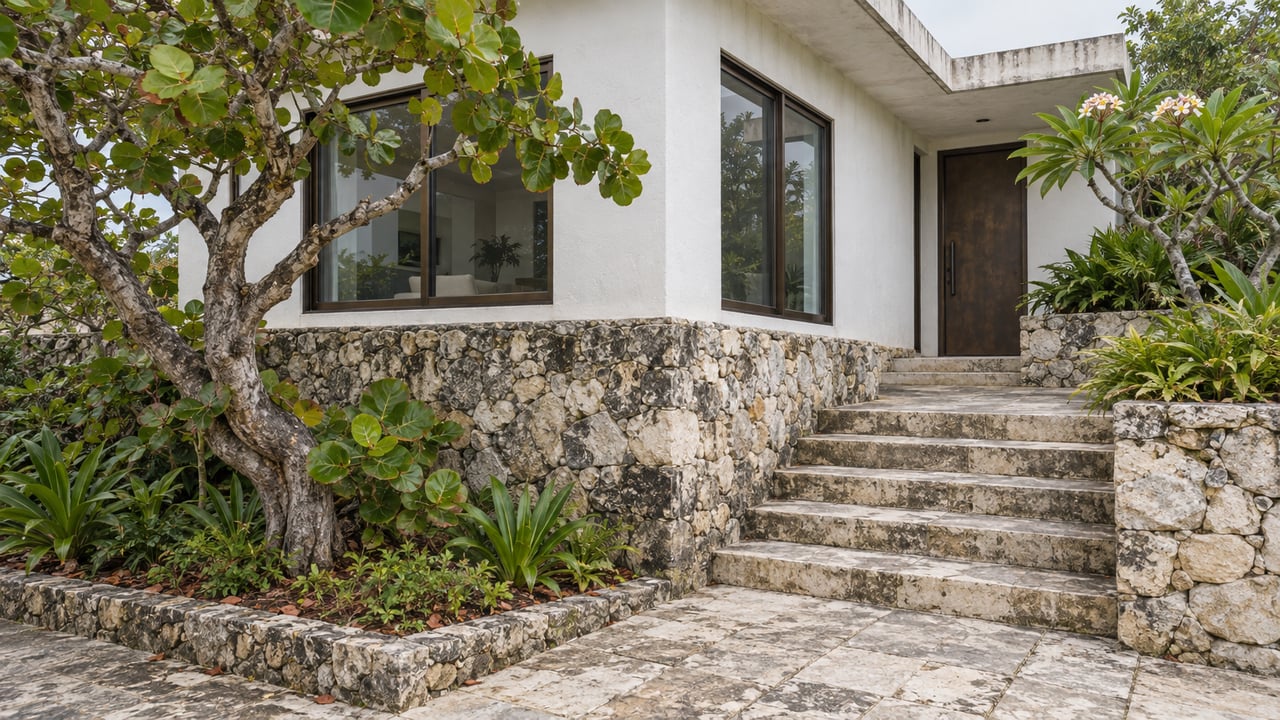
Search "Reef Bay St. John real estate" and you will get listings ranging from a bare hillside parcel to a beachfront home with a private dock. Both carry the same quarter name. Both show up in the same filtered search. What the listing rarely tells you is that these two properties belong to almost entirely different housing markets that happen to share an address line.
St. John is divided into five official quarters, and Reef Bay is one of them. Most of what falls inside that boundary is Virgin Islands National Park, land the National Park Service describes as covering roughly 60 percent of the island. The park's south shore holdings sit heavily in Reef Bay, which is why the quarter reads on paper as one of the emptiest on the island. But the quarter name is doing double duty. It covers both the preserved valley around the Reef Bay Trail and a small, road-connected residential pocket that functions nothing like the surrounding parkland. Buyers who treat "Reef Bay" as a single neighborhood are comparing two different products under one label.
A Valley Named for Its Estates, Not Its Streets
The Reef Bay Trail, the two to three mile descent from Centerline Road to Reef Bay Beach, cuts through the ruins of what was once a working sugar valley. The National Park Service marks the Jossie Gut Sugar Estate along the route, the site of an early 1800s horse-powered mill whose stone walls and mill platform still sit near the base of the steepest section. Further down, the trail passes the Reef Bay Sugar Estate itself, where the old factory building and its steam-era machinery remain standing, and a spur trail leads to petroglyphs carved into rock near a reflecting pool, a site added to the National Register of Historic Places in 1982. The L'Esperance Trail branches off toward Genti Bay, another historic estate name still used to mark that stretch of coastline.
None of this is buildable in any conventional sense. It is preserved federal land, and the historic designations attached to the petroglyph site and the sugar ruins mean this part of the quarter will keep functioning as a hiking destination rather than a housing stock. That is the first half of what "Reef Bay" means on a listing: protected valley, a working sugar economy's remains, and a trail that draws hikers rather than homebuyers.
Where the Houses Actually Sit
The other half of the quarter is Fish Bay, a small enclave on the western side of the bay where the inhabited part of Reef Bay is concentrated. Fish Bay has something most of St. John does not: named streets. It also has a bay known locally as a shark nursery, calm enough for kayaking and paddleboarding, with sightlines that stretch to St. Croix on a clear day.
This is where the naming confusion becomes a practical problem for buyers. MLS records in this part of the island commonly carry a quarter field that reads Reef Bay alongside a subdivision field that reads Fish Bay, or in some cases a smaller pocket like Skytop Estates tucked into the Fish Bay hillside. A buyer scrolling a portal filtered to "Reef Bay" may be looking at a listing that is administratively filed under that quarter but functionally belongs to a paved, named-street subdivision with none of the access challenges the broader quarter implies. The reverse is also true. A remote parcel bordering National Park land can carry the same quarter label with almost none of Fish Bay's infrastructure.
| What the listing says | What it usually means |
|---|---|
| Quarter: Reef Bay | The official five-quarter designation, covering both preserved park valley and inhabited pockets |
| Subdivision: Fish Bay | The named-street enclave with paved access, closer to a conventional subdivision layout |
| Subdivision: Skytop Estates | A smaller hillside pocket within the Fish Bay bowl, still filed under the Reef Bay quarter |
| No subdivision listed | Often an unincorporated parcel closer to the park boundary, worth a direct question about road surface and access |
The gap matters because price per square foot comparisons inside "Reef Bay" as a whole are close to meaningless without knowing which side of that table a given listing sits on.
What a Recent Snapshot Actually Showed
A market snapshot posted in June 2026 captured nine active properties across the Reef Bay quarter, five homes and four land lots. Homes ranged from about $1.05 million to $4.5 million. Land listings ranged from about $160,000 to $275,000. A separate search focused specifically on homes near Reef Bay Beach turned up 18 results.
That spread looks strange until you place it against the quarter-versus-subdivision split. The top of the home range, the $4.5 million figure, describes a beachfront property with deeded dock access, the kind of amenity that only exists where a home fronts navigable water in a subdivision like Fish Bay. The bottom of the land range, $160,000, is far more consistent with an unimproved hillside parcel bordering park land, where the buyer is purchasing privacy and a future building project rather than existing infrastructure. Both are technically "Reef Bay." Neither is a useful stand-in for the other when a buyer is trying to estimate what their budget actually buys.
The Villas That Mark the Line
A handful of long-standing rental villas sit right at the edge where Fish Bay's road network gives way to the park. One property sits on a short stretch shared by only five homes, a four mile drive from the shops and restaurants of Cruz Bay, with a private path leading to one of the more secluded beaches on this stretch of coastline. It is a useful marker for how tight the inhabited footprint actually is. Five homes on one road, a short walk to a National Park beach, and a real but modest drive back to town. That is the physical size of the residential core inside a quarter that reads, on a map, as one of the largest on the island.
Other villas in the immediate area sit closer to the water's edge in Fish Bay proper, with panoramic views back across the bay and toward St. Croix, reinforcing that the desirable, developed part of Reef Bay is a fraction of its official boundary.
What To Ask Before Comparing Two Listings
The National Park Service is direct about road conditions on St. John: the island has only two main paved roads, Centerline Road and North Shore Road, and getting around safely means having a vehicle. Anything off those two roads, including most of the Reef Bay quarter outside the Fish Bay core, may mean a mix of paved and unpaved surfaces depending on which estate or subdivision a property sits in.
Before treating two "Reef Bay" listings as comparable, it is worth asking for the subdivision or estate name attached to each, not just the quarter. It is worth asking whether the access road is paved for its full length or transitions to dirt near the property line, since that single detail changes both daily logistics and long-term maintenance costs. And it is worth asking whether a given parcel borders National Park land directly, since a shared boundary with preserved land shapes what future expansion or clearing is realistically possible.
FAQ
Is Fish Bay technically part of Reef Bay? Yes. Fish Bay is not a separate official quarter. It is the inhabited subdivision within the Reef Bay quarter, which is why MLS records often show both names on the same record, one in the quarter field and one in the subdivision field.
How much of the Reef Bay quarter is actually buildable? The National Park Service holds the majority of the quarter, concentrated around the Reef Bay Trail corridor, the sugar estate ruins, and the petroglyph site. The buildable, road-served portion is concentrated in the smaller Fish Bay enclave on the western side of the bay.
Do all Reef Bay quarter listings have paved road access? No. Fish Bay's core streets are more consistent with conventional paved access, but parcels closer to the park boundary can rely on unpaved secondary roads. Confirming this directly, rather than assuming it from the quarter name, is a reasonable step before comparing two listings on price alone.
If you are trying to figure out which side of that line a specific Reef Bay listing falls on, or whether a parcel's access, terrain, and utility setup match what the price suggests, Tropical Properties VI can walk through the estate-level details with you before you make an offer based on a quarter name alone.