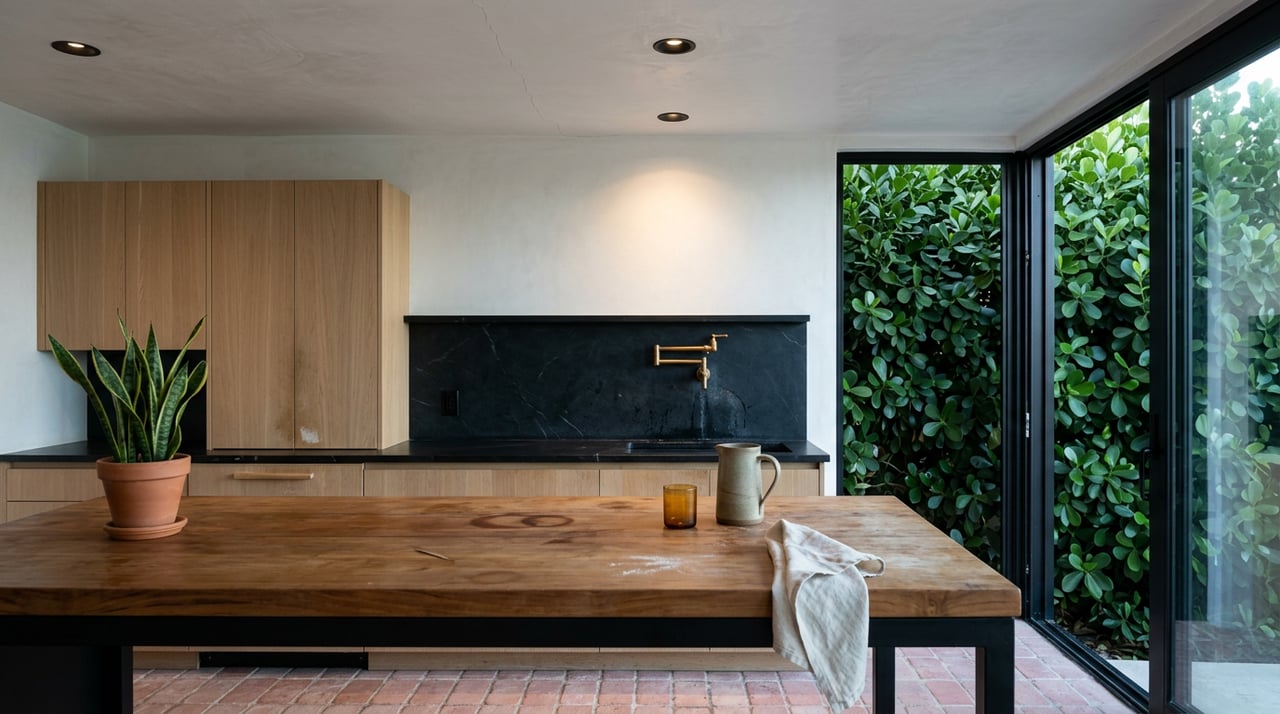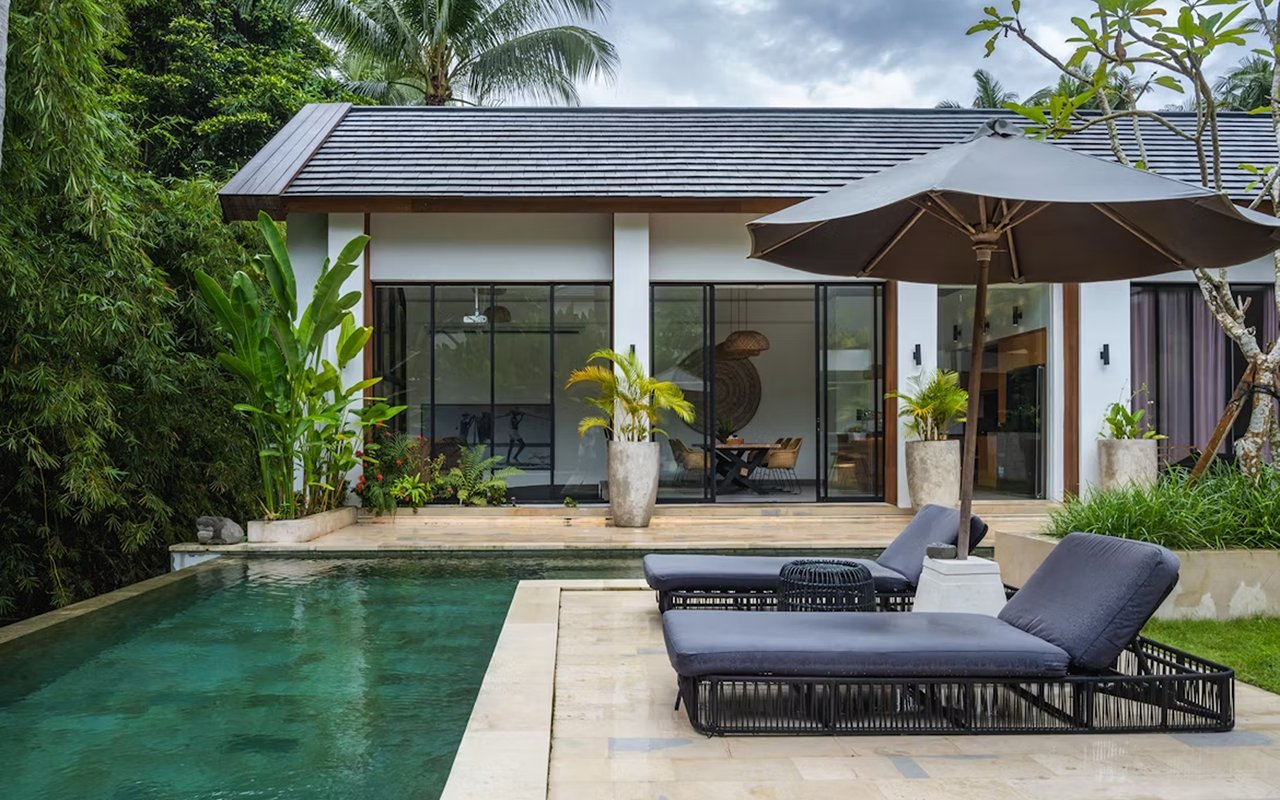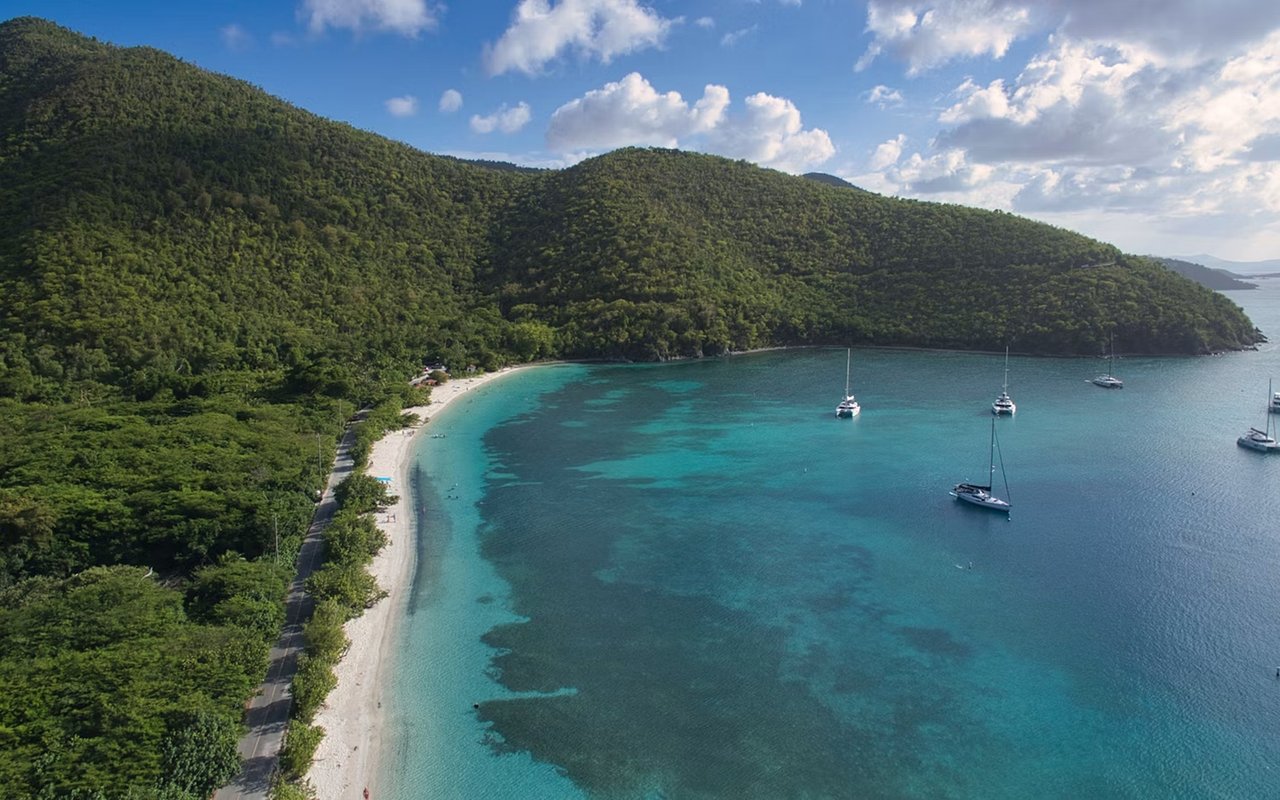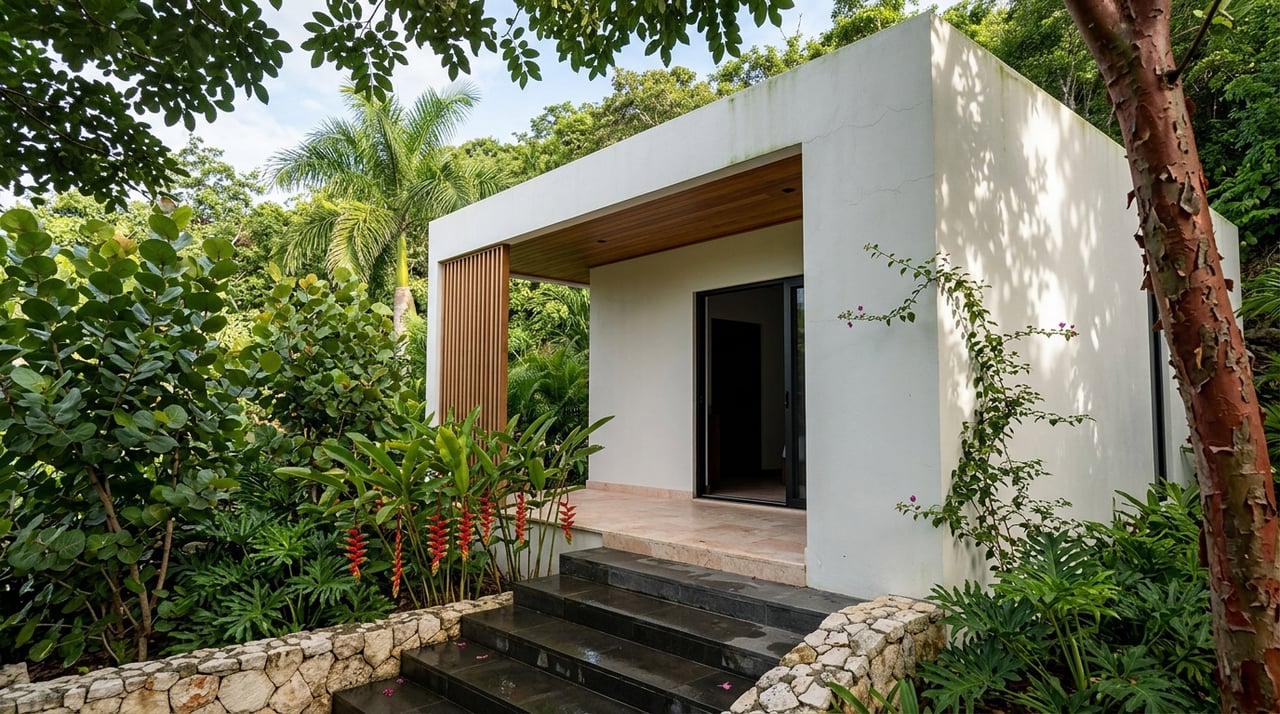
If you picture St. John as all beaches and town conveniences, Reef Bay may surprise you. This part of the island feels more secluded, more park-framed, and more tied to the landscape than many buyers expect. If you are considering a home or land here, understanding the tradeoff between privacy and practicality can help you make a smarter decision. Let’s dive in.
Why Reef Bay Feels So Secluded
Reef Bay is one of St. John’s five official quarters, and its setting shapes the real estate experience. Virgin Islands National Park covers roughly 60% of St. John, and other local research places that share closer to 65%, with much of the park land concentrated in areas including Reef Bay. That helps explain why Reef Bay often feels defined by open land, hillsides, and preserved surroundings rather than by dense development.
Unlike a typical neighborhood with a clear subdivision pattern, Reef Bay is better understood through its terrain and estate history. National Park Service reporting describes it as a wide triangular bay on the island’s south side, with steep hillsides and some relatively level pockets near intermittent streams. Historically, the valley included six estates and was valued for farmland, which still influences how people think about land use, access, and homesites today.
What Buyers Will Find in Reef Bay
Reef Bay is a small, limited-inventory market where both homes and land parcels come up for sale. One recent market snapshot showed 9 properties for sale in Reef Bay, including 5 homes and 4 land lots. In that same snapshot, homes ranged from about $1.05 million to $4.5 million, while land listings ranged from about $160,000 to $275,000.
Another current search showed 18 homes for sale near Reef Bay Beach. These numbers can change quickly, so they are best viewed as a moment-in-time snapshot rather than a fixed inventory level. Still, they show the basic pattern: Reef Bay is not a high-volume market, and opportunities tend to be limited.
A key reason is geography. A current area guide notes that most of Reef Bay is part of Virgin Islands National Park, with inhabited areas mainly along the western side of the bay. In practical terms, that means available properties often feel like individual inholdings or unique homesites, not part of a broad neighborhood buildout.
Reef Bay Homes vs. Land
If you are choosing between an existing home and a land parcel in Reef Bay, your decision often comes down to timeline, risk tolerance, and how involved you want to be.
An existing home may give you a clearer picture of access, layout, and daily use right away. You can better evaluate how the home sits on the land, how it handles privacy and breezes, and what the surrounding terrain means for parking and arrival. In a place like Reef Bay, where the land itself can shape your experience as much as the structure, that visibility matters.
A land parcel can offer flexibility and long-term upside, especially if you want to design around views, privacy, and island living priorities. But in Reef Bay, land buying is rarely just about the lot line. It is also about slope, road access, site conditions, water planning, and the practical realities of building in a more secluded part of St. John.
Terrain Matters More Than You Think
In many markets, buyers start with square footage or bedroom count. In Reef Bay, the land may be the first thing to understand. Steep hillsides, changing elevations, and limited flatter areas can all influence how usable a property feels and what future improvements may require.
The National Park Service historic report notes both steep terrain and some relatively level land around intermittent streams. That mix can create appealing homesites, but it also means no two properties are exactly alike. A parcel that looks straightforward on paper may feel very different once you factor in driveway access, build area, and how the site connects to the road.
This is one reason local guidance matters so much in Reef Bay. Buyers often need more than listing photos and price comparisons. You need a realistic sense of how a property functions on the ground.
Outdoor Access Is Part of the Lifestyle
The Reef Bay Trail is one of the area’s defining features. According to the National Park Service, the trail passes through shady forest, crosses the remains of four sugar estates, and ends at Reef Bay Sugar Estate, where old buildings and steam-powered machinery remain. A side trail leads to a waterfall and petroglyphs associated with early Taíno Indians.
That setting gives Reef Bay a distinct identity. For many buyers, the appeal is not just owning property on St. John. It is living near a part of the island where history, hiking, and preserved landscape are part of everyday surroundings.
At the same time, the trail system comes with practical limits. The park describes the Reef Bay Trail as steep, uneven, and rocky, with a roughly three-mile one-way route when the waterfall and petroglyphs are included. The return includes about 900 feet of elevation gain, and many park trails have limited or no cell-phone access.
That does not reduce the appeal. It simply helps define the lifestyle. Reef Bay tends to fit buyers who value scenery, privacy, and natural character, and who are comfortable planning ahead for outdoor access, trail use, and guests visiting the area.
Daily Life in Reef Bay
For many buyers, the biggest question is not whether Reef Bay is beautiful. It is whether the daily routine works for them.
Transportation is one of the main tradeoffs. The National Park Service says St. John has only two main roads, Centerline Road and North Shore Road, and notes that the safest way to get around is by vehicle. The park also says the VITran bus along Centerline Road is not reliable enough for tight schedules, and parking outside designated areas can lead to fines or towing.
For a Reef Bay property owner, that points to a car-first lifestyle. Whether you are running errands, meeting visitors, or heading to a trailhead, planning ahead is simply part of the experience. Buyers who expect quick walkability or easy public transportation may find the area less convenient than other parts of the island.
Water planning is another important part of owning property here. The U.S. Virgin Islands Department of Planning and Natural Resources says freshwater sources are limited and estimates that about 90% of homes in the USVI have active cisterns for potable water. The agency also notes that some cisterns are supplied by trucked water and that treatment and maintenance are important.
For you as a buyer, that means a Reef Bay property may call for a more self-sufficient mindset. Instead of assuming mainland-style utility systems, you will want to understand the property’s water storage setup, condition, and ongoing maintenance needs.
Who Reef Bay May Fit Best
Reef Bay often appeals to buyers who want more than a standard island neighborhood. If you value privacy, preserved surroundings, and a south-shore setting that feels removed from busier areas, this quarter can be compelling.
It may also appeal if you are considering land for a future build and want to think carefully about siting, views, and long-term use. Because property opportunities here are limited and highly site-specific, buyers who take a patient, planning-oriented approach are often best positioned.
On the other hand, Reef Bay may be less ideal if your top priority is easy in-and-out access, minimal property systems to manage, or a more convenience-driven location. The beauty here is real, but so are the logistics.
Why Local Guidance Matters in Reef Bay
In a market like Reef Bay, real estate decisions are rarely just about price per square foot or a quick online search. You are often weighing terrain, privacy, road access, water systems, and the relationship between private property and surrounding park land.
That is where experienced St. John guidance becomes valuable. A local team can help you compare not just listings, but also the practical differences between homesites, existing homes, and the day-to-day realities of owning in a secluded part of the island. For many off-island buyers, that kind of candid context makes the process far more manageable.
If you are exploring homes or land in Reef Bay, working with a team that understands buildability, access, utilities, and island logistics can help you move forward with more confidence. To start your search, connect with Tropical Properties VI.
FAQs
What makes Reef Bay on St. John feel secluded?
- Reef Bay feels secluded because much of the surrounding area is tied to Virgin Islands National Park, and privately held properties are limited compared with more developed parts of St. John.
Are there both homes and land for sale in Reef Bay?
- Yes. Recent market snapshots showed both homes and land lots for sale in Reef Bay, though inventory is limited and can change quickly.
What price range do Reef Bay properties usually fall into?
- One recent snapshot showed homes from about $1.05 million to $4.5 million and land parcels from about $160,000 to $275,000, but current pricing can shift as listings change.
Is Reef Bay a good place to buy land on St. John?
- Reef Bay can be appealing for land buyers who value privacy and scenery, but each parcel should be evaluated carefully for slope, access, and site conditions.
What is daily life like in Reef Bay, St. John?
- Daily life in Reef Bay is typically car-dependent and requires more planning for errands, visitors, trail access, and property systems than a more central location might.
Do Reef Bay homes usually rely on cisterns?
- Many homes in the USVI rely on cisterns for potable water, so understanding a property’s water storage, treatment, and maintenance setup is an important part of due diligence.
What is the Reef Bay Trail like near local properties?
- The Reef Bay Trail is known for forested scenery, historic sugar estate ruins, a waterfall, and petroglyphs, but it is also steep, uneven, and best approached with planning.