By Tropical Properties VI
Buying your first property on St. John is an exciting milestone, and we want to make sure you feel prepared for every step. Investing here is different from purchasing on the mainland, from the way water reaches a home to the way land is bought and sold. We have spent years helping people navigate this market, and we know how much confidence comes from understanding the process ahead of time. The more you know before you start looking, the smoother the search and the closing tend to be. Use this checklist as your starting point for a smart and rewarding first investment on St. John.
Key Takeaways
- Prepare your finances before you begin the search for a first investment on St. John USVI
- Learn how island property systems and land ownership differ from the mainland
- Match your location choice to your personal or rental investment goals
- Build a local team that can guide you through inspections and closing
Getting Your Finances in Order
The first step for any first-time investor is understanding how buying works in a US territory. St. John uses US dollars and follows US property law, which removes some of the friction found in foreign markets. Still, financing an island property involves considerations that many mainland buyers do not expect, so it pays to plan early. A clear picture of your budget and funding sources will keep you ready to move when the right property appears.
Financial Steps to Take First
- Confirm your financing path early, since island lending options can be more limited than on the mainland
- Budget for closing costs, including stamp taxes that apply to property transfers in the territory
- Set aside a reserve for insurance, which reflects the island's exposure to tropical weather
- Factor in the cost of shipping furnishings and materials when planning a renovation
Understanding How Island Property Works
Once your finances are ready, it helps to learn how property on St. John actually functions day to day. Homes here operate on a more self-reliant model than most buyers are used to, and land is often described by estate and parcel numbers rather than simple street addresses. Knowing these details early prevents surprises later in the process and helps you compare properties on equal footing.
Island Ownership Details to Review
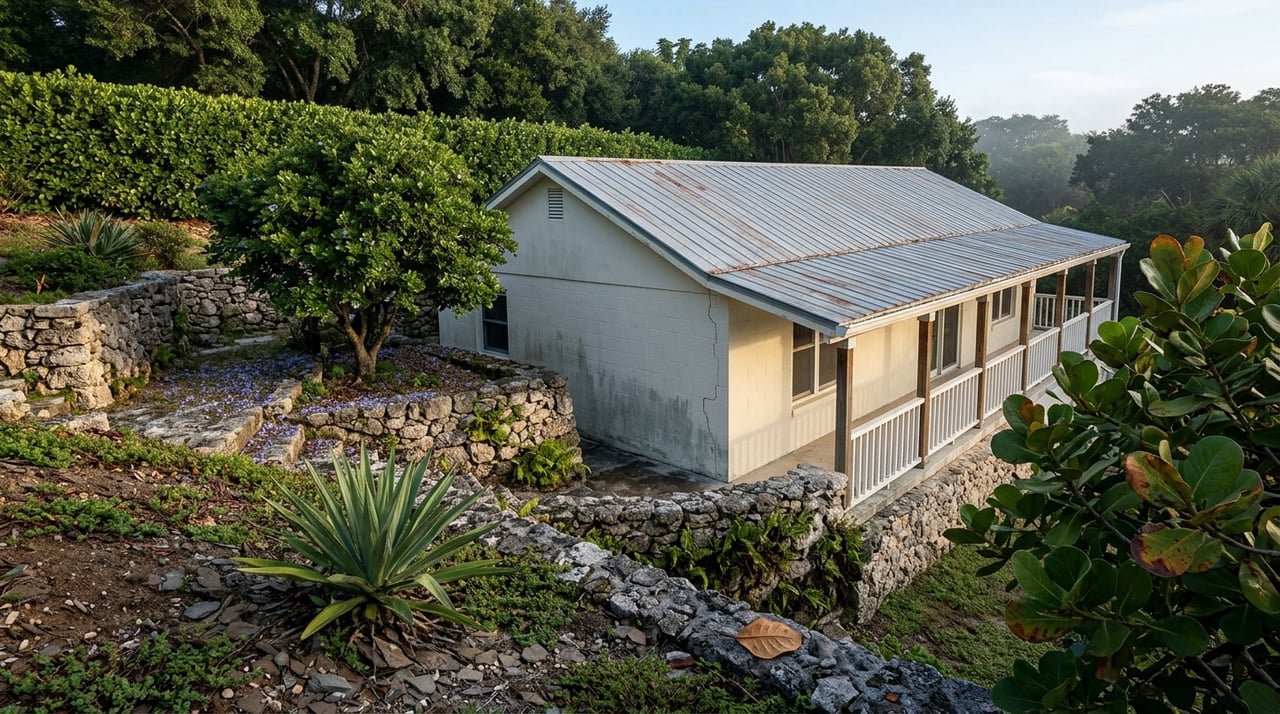
- Water supply, which typically comes from rainwater collected and stored in a home's cistern
- Road access, since many hillside properties are reached by private or shared roads
- Parcel boundaries, often recorded under estate names like Peter Bay or Chocolate Hole
- Proximity to Virgin Islands National Park, which shapes what can and cannot be built nearby
Choosing the Right Location for Your Goals
Location on St. John should follow your investment strategy, not the other way around. A property meant for personal getaways may call for a different area than one intended to generate rental income. The island offers distinct options, each with its own character and practical trade-offs. Thinking through how you plan to use the property will narrow the field quickly and help you focus your search.
Match the Area to Your Plan
- Cruz Bay and Great Cruz Bay, close to the ferry, restaurants, and shops for easy access
- Chocolate Hole, prized for west-facing sunset views and paved-road convenience
- Peter Bay, the north shore's most exclusive address for high-end estate buyers
- Coral Bay, on the quieter east end, for buyers who value seclusion and space
Building the Right Local Team
No first-time investor should navigate St. John alone. The island is a small market with its own rhythms, and the right professionals make the difference between a smooth purchase and a stressful one. Local knowledge is especially valuable when it comes to inspections, title, and the practical details of island homes. Assembling this team early is one of the smartest moves you can make.
Professionals to Line Up Before You Buy
- A local real estate brokerage with direct access to the St. John listing network
- A qualified inspector familiar with cistern systems and island construction
- A local attorney to handle title review and the closing process
- A property manager if you plan to rent the home when you are not using it
FAQs
Do I need a passport to buy property on St. John?
No. St. John is part of the US Virgin Islands, a US territory, so US citizens can buy here without a passport or visa. We are always glad to explain how the process compares to a mainland purchase.
Is it better to pay cash or finance a first investment here?
Both paths work, though financing options on the island can be more limited than on the mainland. We can help you understand what to expect and connect you with local resources so you can decide what fits your situation.
How do I know which area is right for my investment?
It comes down to your goals, whether that is a personal retreat or a rental property. We take the time to learn what you want, then we match you with the St. John areas that best support your plan.
Reach Out to Tropical Properties VI Today
At Tropical Properties VI, we love helping first-time investors turn the dream of owning on St. John into a confident, well-planned reality. We understand the details that make island buying unique, and we are here to guide you from your very first question to the closing table.
When you are ready to begin, reach out to us at Tropical Properties VI. We will help you work through every item on this checklist and find a property that fits both your budget and your vision for life in the Caribbean.
When you are ready to begin, reach out to us at Tropical Properties VI. We will help you work through every item on this checklist and find a property that fits both your budget and your vision for life in the Caribbean.