If you want a St. John home base that makes everyday island life feel easier, Cruz Bay usually rises to the top of the list. It is the island’s main town, ferry gateway, and service center, which means you can handle a lot of daily routines on foot while staying close to restaurants, shops, and the waterfront. For buyers coming from the mainland, that mix of convenience and island character can be a big draw. Let’s take a closer look at what Cruz Bay living really means.
Why Cruz Bay stands out
Cruz Bay sits on the west side of St. John and serves as the island’s primary town and port of entry. Because St. John does not have an airport, ferry access plays a central role in how residents, visitors, and property owners move back and forth day to day.
It also functions as the practical hub of the island. Cruz Bay is home to a concentrated mix of commercial activity, government services, dining, and shopping, which helps explain why so many buyers see it as the most convenient base on St. John.
Another reason Cruz Bay matters is its connection to Virgin Islands National Park. The National Park Service visitor center is near the ferry dock, so Cruz Bay often acts as the starting point for beach days, hiking plans, and guest arrivals.
What walkable living means here
When people hear “walkable,” they often picture a flat, car-free town. In Cruz Bay, the reality is a little more specific. Walkable living usually means you can manage many daily errands, meals out, and ferry transfers without much hassle if you stay near the compact town core.
That is a real advantage on St. John. Wharfside Village sits right next to the ferry landing, and nearby areas like Mongoose Junction and downtown Cruz Bay offer one of the island’s densest clusters of shopping and restaurants.
At the same time, it helps to keep expectations realistic. St. John is known for steep hills and winding roads, so once you move outside the in-town core, driving becomes much more important.
Ferry access shapes daily life
One of Cruz Bay’s biggest lifestyle advantages is how closely it is tied to the ferry system. The trip between Red Hook and Cruz Bay takes about 20 minutes, and regular passenger ferry service helps connect St. John to St. Thomas.
For second-home owners, part-time residents, and buyers who expect friends or family to visit, that matters. A property near town can make arrivals, departures, and quick supply runs feel much simpler.
This is also where Cruz Bay’s convenience shows up in practical ways. If your routine includes ferry transfers, dining out, or walking to basic services, being close to town can reduce friction in your day.
Parking and island transportation
Cruz Bay’s convenience does not mean you will never need a vehicle. The National Park Service notes that parking across the island is limited enough that taxis are often the practical choice for reaching beaches and trailheads.
That makes transportation in Cruz Bay more of a mix-and-match system. You may walk for in-town routines, use a taxi for beach days, and still want a jeep for exploring more of the island or handling errands outside the core.
For many buyers, that flexibility is part of the appeal. You are not fully dependent on a car for everything, but you still have options when you want to go beyond town.
Property types near Cruz Bay
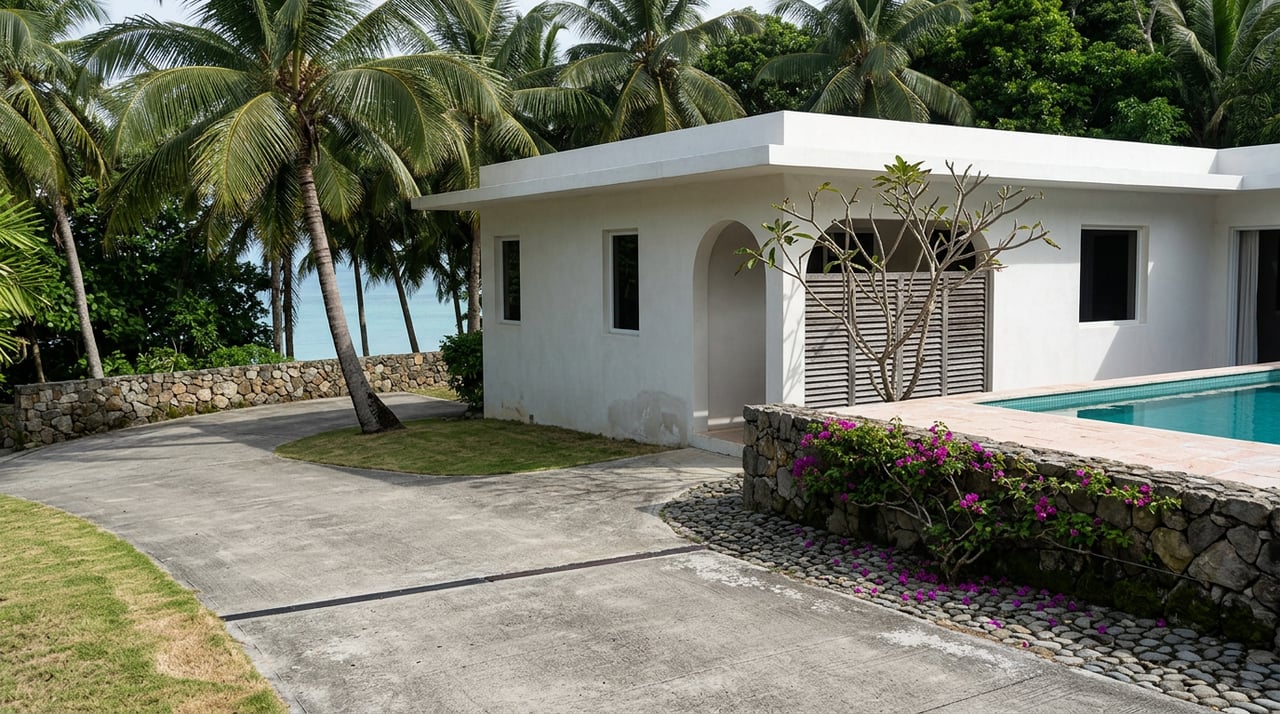
Cruz Bay offers a range of property types, and each one supports a different version of island living. Near town, you will often find waterfront condos, resort-style residences, and turnkey units that place you close to the beach, shops, restaurants, and ferry dock.
Some in-town and near-town condo options also include amenities that mainland buyers often appreciate, such as covered parking, pools, concierge-style features, or easy lock-and-leave ownership. That can make them especially appealing for second-home use.
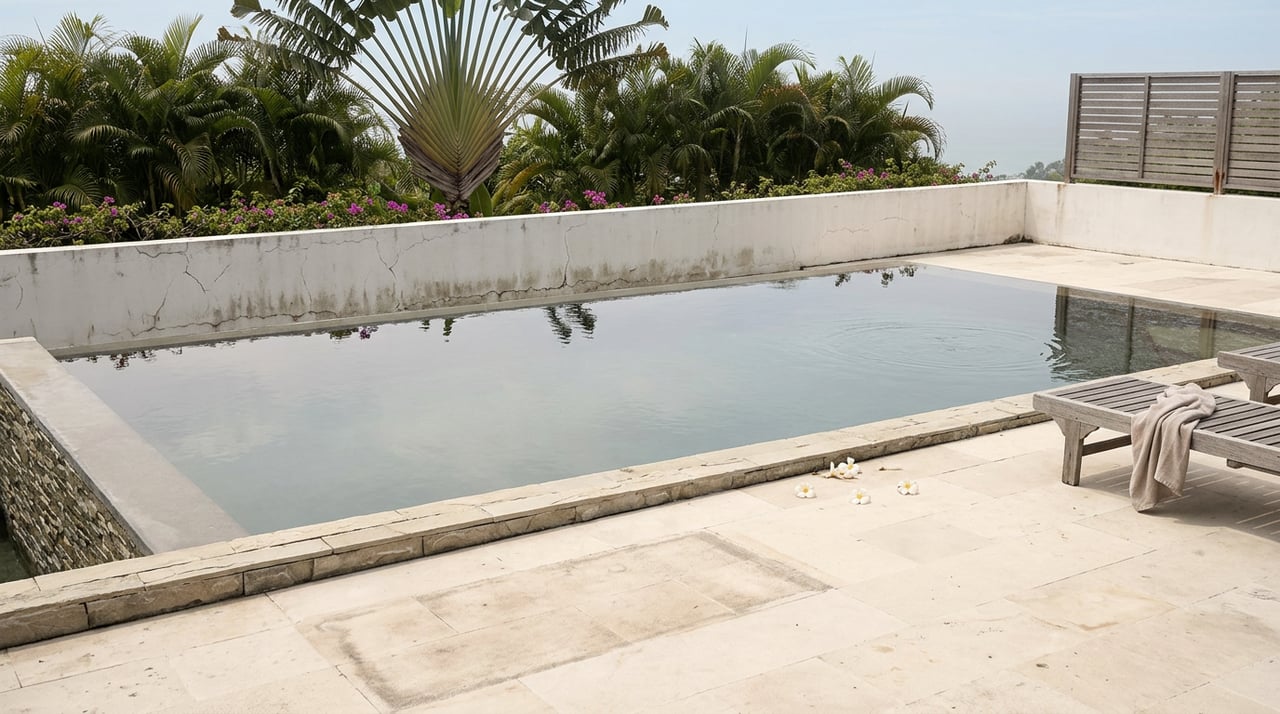
As you move above or around Great Cruz Bay, the mix shifts. Hillside homes and private villas tend to offer more privacy, stronger view orientation, and a quieter retreat feel, though they usually trade some walkability for that added space and separation.
There are also buildable lots in the broader Cruz Bay conversation. For buyers who want to create a custom home, land near town can offer proximity along with the chance to plan around views, access, and future use.
Views matter in Cruz Bay
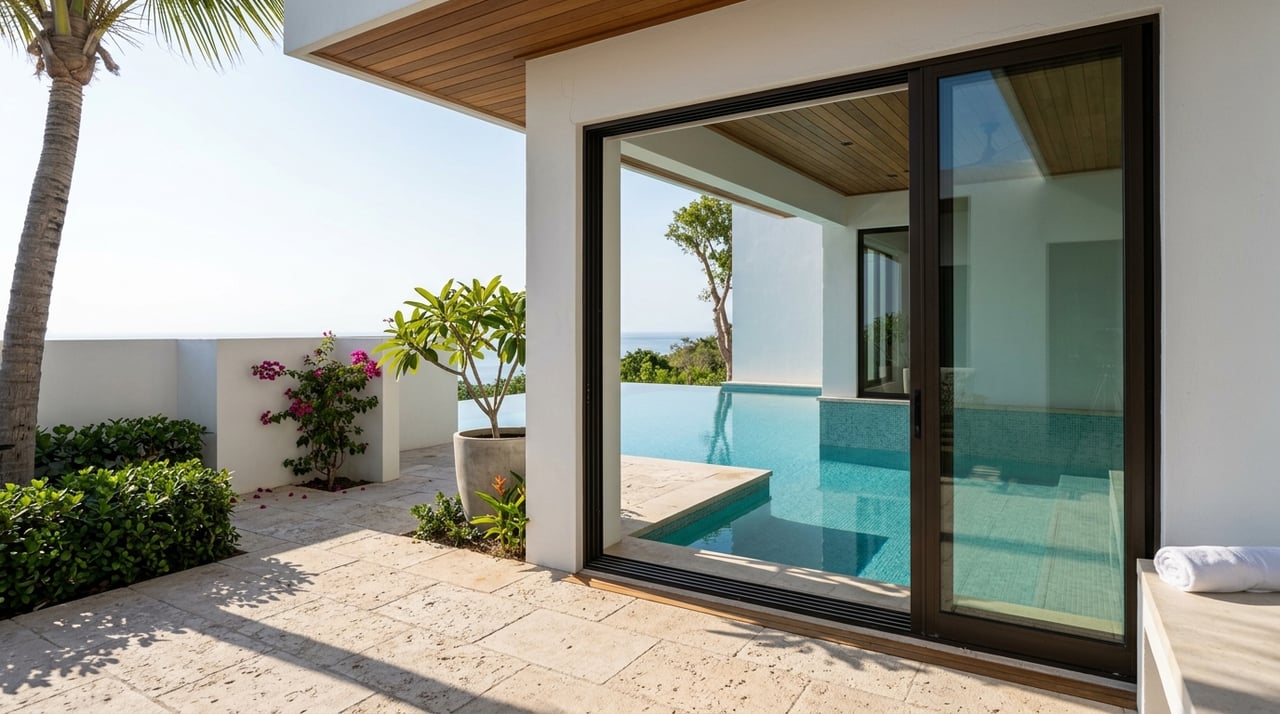
In this market, view orientation can matter just as much as square footage. Waterfront and harbor-facing properties may look toward Cruz Bay Harbor, Pillsbury Sound, St. Thomas, or the sunset path, which is one reason view-driven properties remain so compelling.
Higher-elevation homes above town often lean into broader panoramas and more privacy. In return, they may require a little more driving and a less spontaneous relationship with downtown.
That is one of the key Cruz Bay decisions. You may be choosing between walk-to-town convenience and hillside privacy with bigger views.
Convenience versus seclusion
For some buyers, the best part of Cruz Bay is being able to step out for coffee, dinner, or the ferry without much planning. If you want easy guest arrivals and a more social, connected routine, an address close to town can be a strong fit.
For others, the goal is different. You may want a home that feels tucked away, with outdoor living, sunset views, and a calmer atmosphere above the activity of town.
Neither option is better across the board. It depends on how you plan to use the property, how often you expect to host guests, and how much you value quick access versus privacy.
Historic district considerations
If you are looking in the historic core, there is one more layer to understand. The Cruz Bay Historic District was established in 2017, and territorial discussions have included rules tied to exterior signage, paint colors, windows, doors, exterior alterations, and new construction.
That does not mean in-town ownership is less attractive. It simply means buyers should check exterior-work rules early if renovations or design changes are part of the plan.
This is one of those details that matters before you buy, not after. Clear local guidance can help you understand whether a property fits your goals as-is or needs more review.
Rental use and compliance
Cruz Bay is often attractive to buyers who want a second home that may also support rental use. The location can be practical for guests because of the ferry connection, walkability, and proximity to restaurants and activity.
Still, you should confirm the details early. The Department of Licensing and Consumer Affairs handles business licensing in the territory, and the Department of Planning and Natural Resources handles coastal-zone and other permitting matters.
If you are considering short-term rental use, do not assume a property automatically fits your plans. It is important to verify licensing, zoning, and any applicable exterior-work or permitting requirements before you move forward.
Who Cruz Bay fits best
Cruz Bay can be a strong match if you want St. John convenience without giving up the island setting that drew you here in the first place. It often appeals to buyers who value easy ferry access, a lively town core, and the option to do part of daily life on foot.
It can also work well if you are balancing personal use with guest use or rental potential. A close-to-town location may simplify logistics for both you and the people staying there.
If your priority is quiet, seclusion, and a more retreat-like feel, a hillside property above Cruz Bay may be the better fit. You will likely trade some walkability, but you may gain stronger views, more privacy, and a different pace of living.
The value of local guidance
Cruz Bay is easy to appreciate, but buying here still involves important details. Access, slope, parking, view orientation, historic district rules, and rental compliance can all shape whether a property truly fits your goals.
That is why local context matters so much on St. John. A home that looks perfect online may feel very different once you factor in roads, elevation, proximity to town, and how you plan to use it.
If you are comparing condos, villas, or land near Cruz Bay, working with a team that understands both the lifestyle and the logistics can help you make a more confident decision. When you’re ready to explore your options, connect with Tropical Properties VI.
FAQs
Can you live in Cruz Bay without a car?
- Often, yes for town-centered routines. Many daily errands, dining trips, and ferry transfers can be done on foot near the core, but taxis or a jeep are still helpful for beaches and places outside town.
What makes Cruz Bay different from other parts of St. John?
- Cruz Bay is the island’s primary town, ferry gateway, and commercial center, so it generally offers the most convenience for shopping, dining, services, and arrivals from St. Thomas.
What types of homes can you find near Cruz Bay?
- Buyers will typically see a mix of waterfront condos, resort-style residences, private villas, hillside homes, and some buildable land near or above town.
Is Cruz Bay a good fit for a second home?
- It often is, especially if you want ferry access, walkability, and an easy base for part-time use, guests, or a lock-and-leave lifestyle.
What should buyers know about the Cruz Bay Historic District?
- If you buy in the historic core, exterior changes may be subject to district-related review, so it is smart to check renovation and design rules before purchase.
What should buyers verify before using a Cruz Bay property as a rental?
- Buyers should confirm licensing, zoning, and any permitting requirements early with the relevant USVI agencies before assuming a property can be used the way they intend.