By Tropical Properties VI
A home on St. John is unlike any other home you will own. The setting is extraordinary, with a landscape that shifts from lush hillside to open ocean view, and a pace of life that demands the architecture respond to it. But St. John also presents design challenges that require genuine local knowledge. After 35 years of working on this island and building homes here ourselves, we have a clear sense of what makes a St. John home genuinely beautiful and livable over the long term. Here are the design principles that hold up.
Key Takeaways
- The most successful St. John homes treat the outdoors as primary living space and organize the interior to support it
- Material selection matters enormously, as salt air, humidity, and sun exposure accelerate wear in ways mainland materials are not designed to handle
- Natural light and cross ventilation are design assets that reduce mechanical loads and connect the interior to the landscape
- Timeless design on St. John resists over-decoration and lets the setting do the work
Design for the Outdoors First
The defining characteristic of the best homes on St. John is how completely the interior and exterior are integrated. The outdoor space is not a patio attached to the house, it is an extension of it, and in many cases where residents spend the majority of their time.
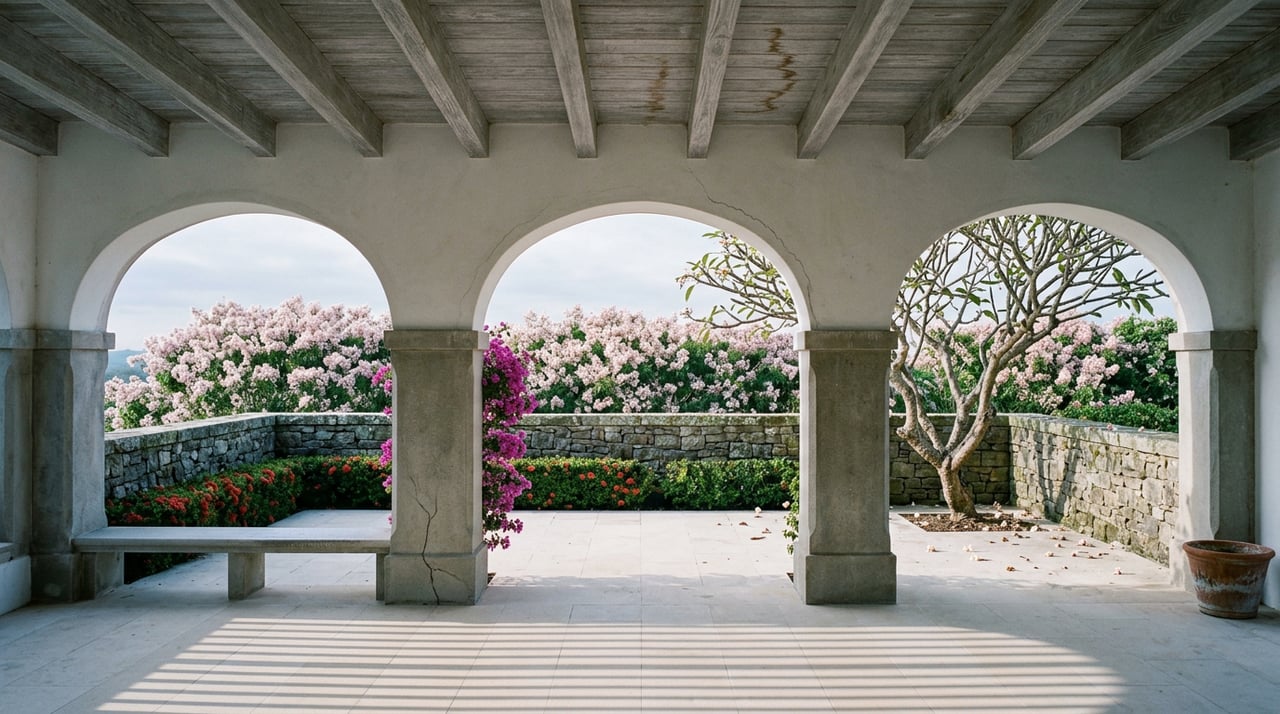
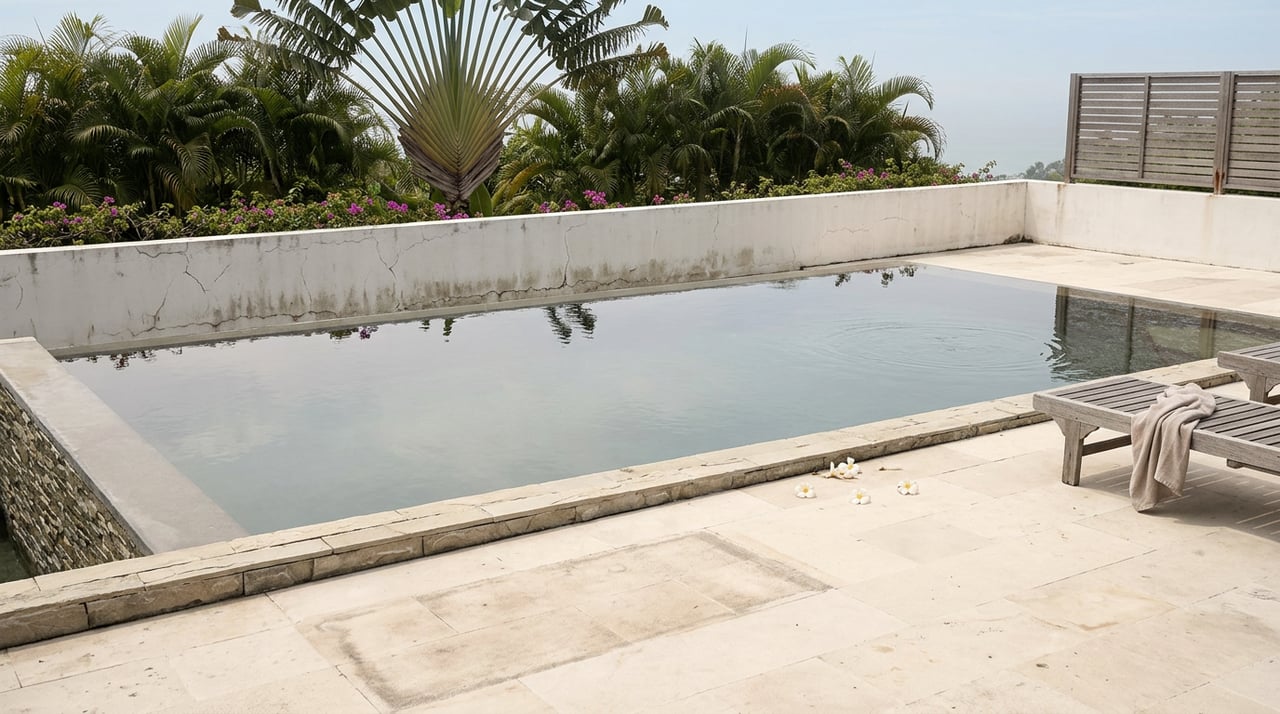
A covered terrace oriented toward the view is the single most valuable design investment a St. John homeowner can make — it expands functional living area, eliminates the interior-exterior boundary, and works in every season. A pool positioned to engage the view turns the landscape into part of the experience. Outdoor dining and kitchen areas shaded naturally or architecturally make the exterior genuinely usable year-round.
How to Prioritize Outdoor Living in Your Design
- Orient primary living spaces — terrace, pool, and dining — toward the most compelling view and away from prevailing weather exposure
- Design covered outdoor areas with adequate depth so they remain functional during rain, which arrives quickly and passes just as fast on St. John
- Integrate natural shade through mature trees, pergola structures, or overhanging rooflines rather than relying on mechanical alternatives
- Connect indoor and outdoor areas through wide doorways, sliding panels, or full-opening walls so the transition is seamless
Choose Materials That Belong on an Island
Material selection is where mainland design sensibility most often fails on St. John. Salt air, humidity, intense UV exposure, and wind events accelerate material degradation in ways that are not a factor in most mainland climates. Materials that perform beautifully in temperate climates can deteriorate rapidly here within a few years.
Natural hardwoods with inherent moisture and insect resistance outperform softwoods or engineered alternatives significantly. Concrete and natural stone are the dominant structural and finish materials for good reason. Marine-grade hardware is not a luxury, it is a baseline. And exterior finishes that can be refreshed without full replacement give a home longevity without requiring continuous major intervention.
Material Choices That Last on St. John
- Natural hardwoods with moisture and insect resistance for decking, millwork, and exterior applications — teak, ipe, and mahogany are proven performers in this environment
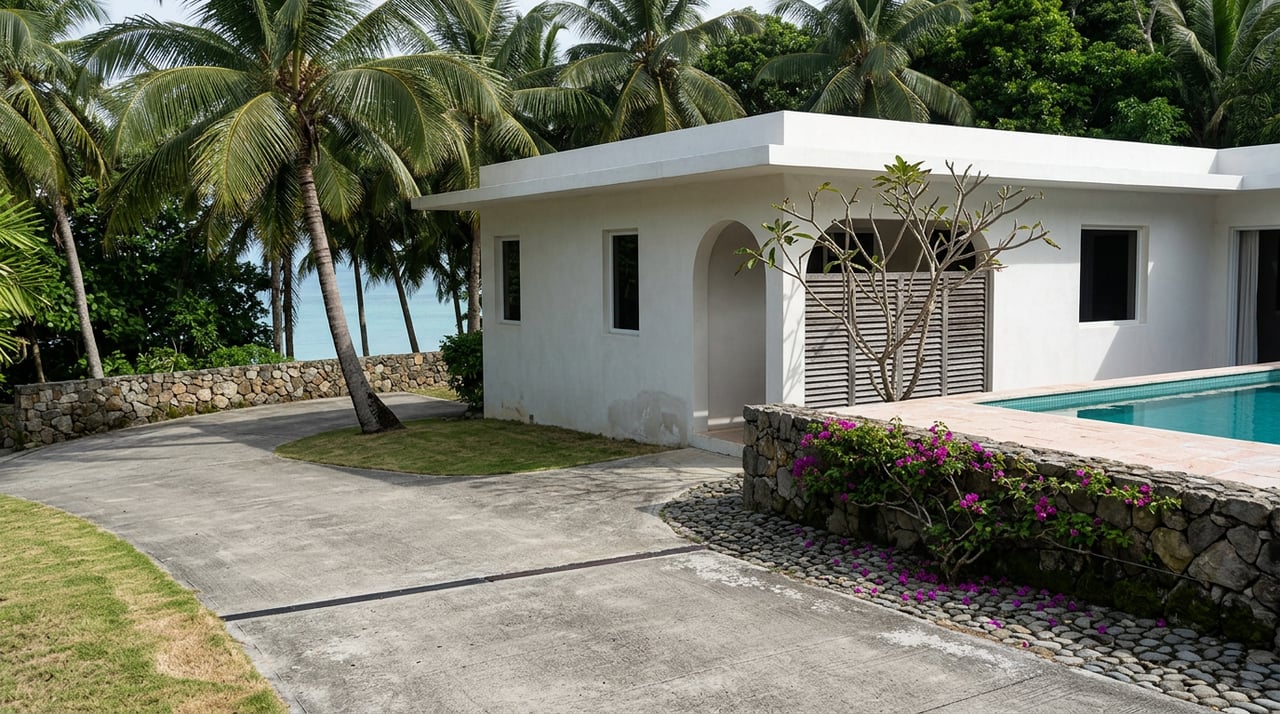
- Concrete and natural stone for structural elements, exterior paving, and wall finishes
- Marine-grade stainless steel hardware for all exterior fixtures, doors, windows, and railings; salt air degrades standard hardware quickly and the upgrade cost is minimal relative to replacement
- Exterior paint and finishes formulated for high UV and high humidity environments
Maximize Natural Light and Ventilation
The Caribbean trade winds that move across St. John is central to the living experience here, and the best homes on the island are designed around them rather than against them. Before air conditioning existed, Caribbean builders understood that a home oriented to catch the prevailing breeze, with openings that draw air through every occupied space, was a comfortable home. That understanding is still the most sophisticated design principle available on St. John, and homes that apply it well require far less mechanical intervention to stay livable.
The payoff is a quality of interior atmosphere that mechanically cooled homes cannot replicate. The sound of the breeze, the way the air moves through a well-placed louvered window, the sense that the home is breathing with the island rather than sealed against it. These are things that residents describe years after they move in as among the things they love most about their home.
How to Design for Natural Comfort on St. John
- Design window and door placement for cross ventilation before considering views
- Install operable louvers or casement windows on windward and leeward facades to actively draw the trade winds through rather than simply admitting them
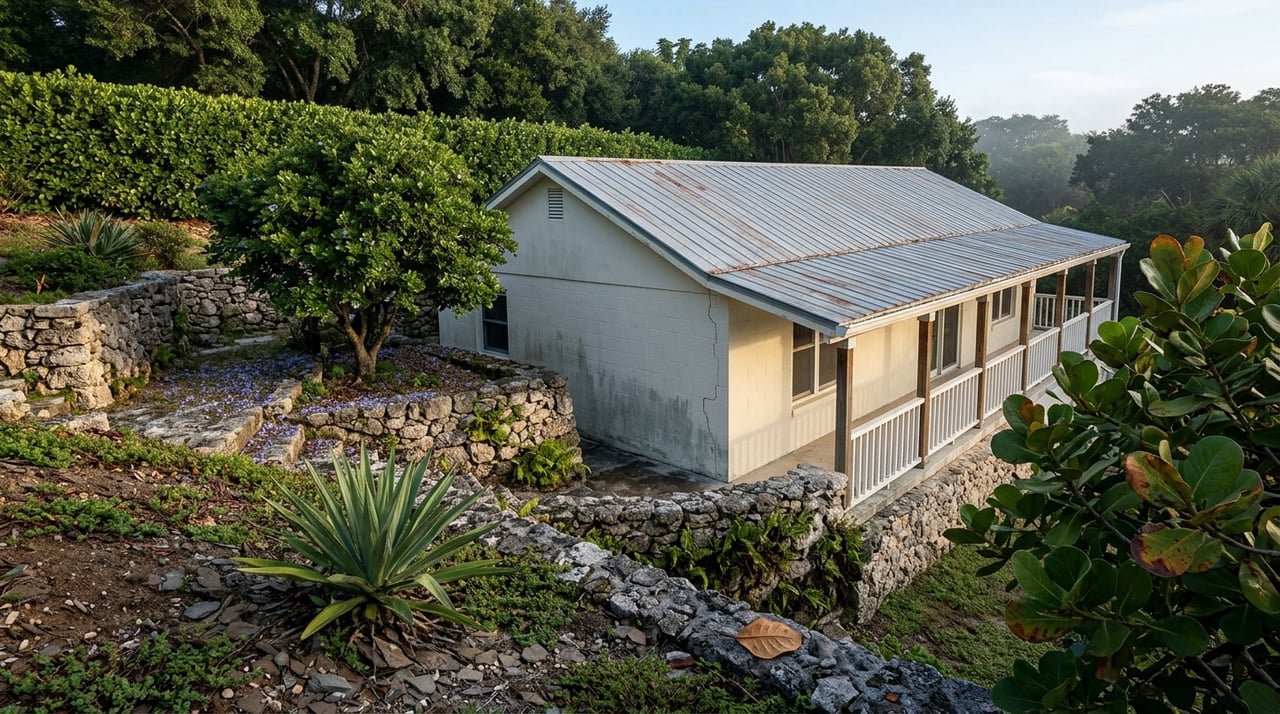
- Specify high ceilings with ridge or clerestory vents so warm air rises and escapes rather than accumulating in the living space
- Use ceiling fans as the primary cooling system in every occupied room, with air conditioning reserved as a supplementary system for the warmest days rather than the baseline assumption
Let the Landscape Lead
The most timeless St. John homes share a quality of restraint — they respond to the setting rather than competing with it. The turquoise water, the tropical green of the hillsides, and the quality of Caribbean light at different times of day is the most powerful design element available, and the best decisions amplify it.
Select material palettes drawn from the landscape, including warm neutrals, natural stone tones, and the bleached wood of teak. Include furniture and finishes that are high quality and understated. Find views framed deliberately through openings. These are the choices that age well here.
Design Choices That Honor the St. John Setting
- Use a palette drawn from the natural landscape, including warm neutrals, stone tones, and weathered wood rather than colors that compete with the setting
- Frame views deliberately through windows and openings so the landscape remains the dominant visual element from every primary space
- Choose furniture and finishes that are high quality and understated
- Integrate natural planting that complements the existing tropical landscape and requires minimal ongoing intervention
FAQs
What design features add the most value to a St. John home?
Covered outdoor terraces oriented toward the view, pools that engage the landscape, and seamless indoor-outdoor connections consistently add the most value here. Buyers are purchasing the lifestyle, and design that delivers that experience convincingly commands premium attention.
How do I find contractors and designers who understand St. John construction?
We have been building in this market for over 35 years and maintain relationships with contractors, designers, and tradespeople who genuinely know island construction.
Are there building restrictions to understand before designing a renovation or new build?
Yes. St. John has specific building codes addressing hurricane resistance, setbacks from the national park and coastal areas, and environmental considerations.
Contact Tropical Properties VI Today
Whether you are designing a new home on St. John, renovating an existing property, or simply trying to understand what makes island architecture work, we are here to help. We have lived on this island, built homes here, and spent decades developing the local knowledge that makes a real difference.
Reach out to us, Tropical Properties IV, to start your St. John's real estate journey today.